How To Choose A Camp Chair
A practical step-by-step guide to how to choose a camp chair, including preparation, instructions, common issues, tips, and next steps.
How To Choose A Camp Chair
This guide explains how to approach how to choose a camp chair, including the preparation, practical steps, common mistakes, and final checks that help you finish with confidence.
30 minutes Time needed
Easy Difficulty
Overlooking weight or packed size Watch out for
Before You Start
Check first: Always verify the chair's stated weight capacity against the heaviest intended user to ensure safety and prevent premature damage.
Step-by-Step Instructions
Quick Reference
Common Problems When You Choose A Camp Chair
Watch out for: Selecting a chair that doesn't match its intended use can lead to discomfort, frustration, or early failure.
- Chair is too heavy or bulky for its intended use:
- Chair is uncomfortable after extended sitting:
- Chair breaks or shows wear quickly:
- Chair sinks into soft ground or is unstable:
- Chair is too low or difficult to get in/out of:
Advanced Tips for How To Choose A Camp Chair
- Consider a "Two-Chair Strategy": If you frequently engage in both car camping (where comfort is paramount) and backpacking (where weight is critical), it's often more effective to own two different chairs rather than trying to find one that compromises too much. A dedicated ultralight chair for hiking and a robust, comfortable chair for car-based trips will serve you better.
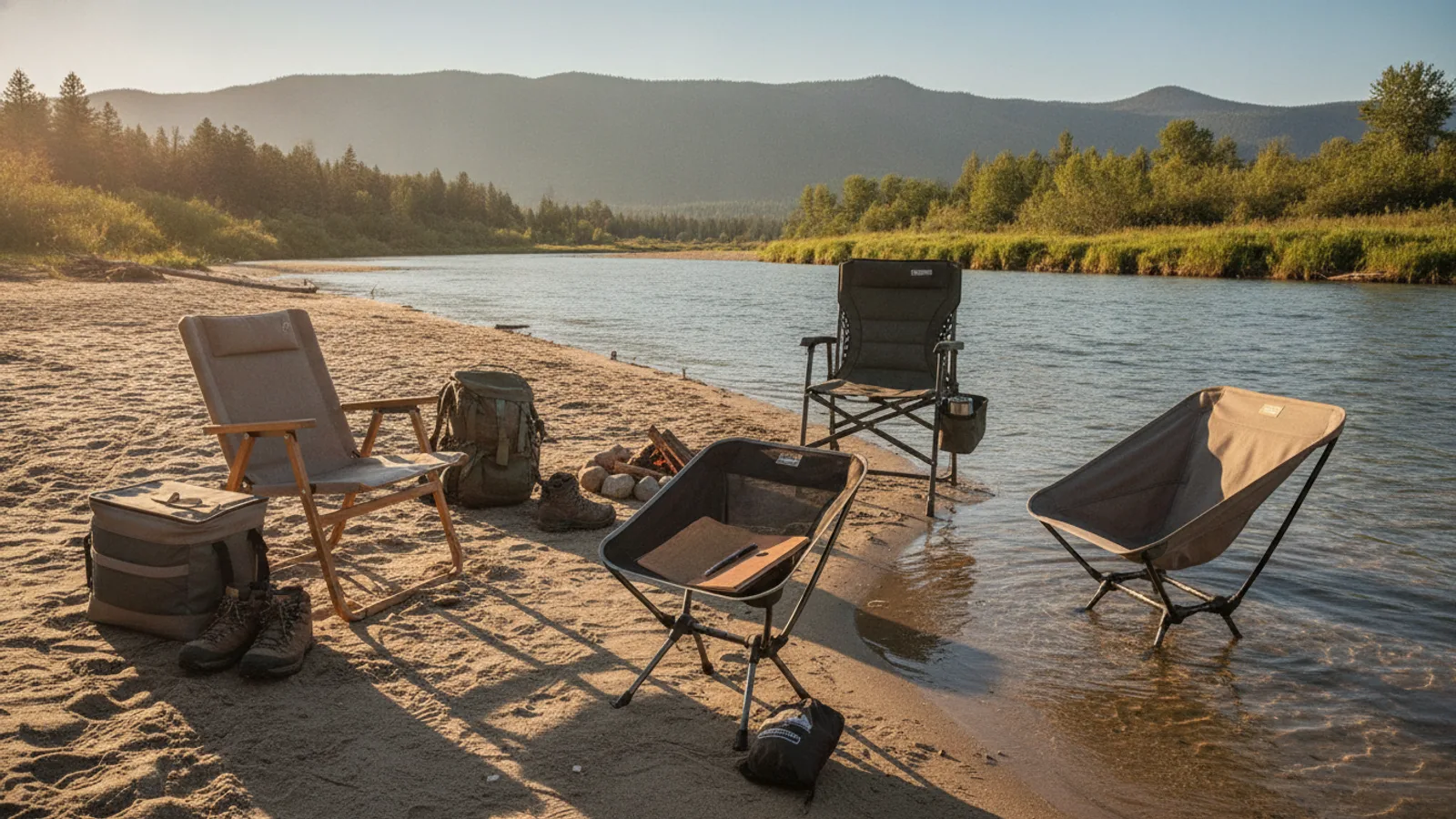
- Prioritise Ground Stability: For uneven terrain, soft ground, or windy conditions, look for chairs with wide-set legs and large, flat feet. Some advanced chairs have articulating feet that adapt to uneven surfaces. This prevents tipping and sinking, enhancing safety and comfort.
- Check for Repairability and Spare Parts: Good quality chairs from reputable brands often have a longer lifespan, but accidents happen. Research if the manufacturer offers spare parts for common failure points like frame poles or feet. This can significantly extend the life of your investment.
- Think About Insulation: While not a primary feature, a chair's material can impact warmth. Mesh chairs are great for summer but can be chilly in cooler weather. For colder trips, a solid fabric chair or bringing a small blanket/pad for the seat can add comfort.
- Evaluate Eco-Friendly Materials and Manufacturing: For the environmentally conscious, look for brands that use recycled materials (e.g., recycled polyester), bluesign® approved fabrics, or have transparent ethical manufacturing practices. This adds another layer of "thoughtful gear" to your choice.
- Assess Ease of Cleaning: Outdoor gear gets dirty. Consider how easy the chair's fabric is to wipe down or if it can be spot-cleaned effectively. Some chair fabrics are more resistant to stains and mildew, which is a bonus for longevity.
How To Choose A Camp Chair FAQ
What's the main difference between a camping chair and a backpacking chair?
The primary difference lies in portability. A camping chair (often for car camping) prioritises comfort, features, and durability, often at the expense of weight and packed size. A backpacking chair focuses on being extremely lightweight and compact, designed to be carried long distances, meaning it often sacrifices some comfort or features.
How important is the chair's weight capacity?
The weight capacity is critically important for both safety and durability. Exceeding the stated limit can lead to chair collapse, potential injury, and will definitely shorten the chair's lifespan. Always ensure the capacity comfortably exceeds the weight of the heaviest user to allow for a safety margin and general wear and tear.
Can I use a camp chair on a sandy beach?
Yes, but with caution. Chairs with narrow feet tend to sink into sand, making them unstable and difficult to use. Look for chairs specifically designed for sand, often featuring wider, flatter feet or "saucer" shaped bases. Alternatively, you can buy aftermarket foot pads that attach to regular chair legs to increase their surface area on soft ground.
What kind of fabric is best for a camp chair?
Most camp chairs use polyester or nylon fabrics. Polyester (especially high-denier like 600D+) is durable, weather-resistant, and common for general camping. Nylon is often lighter and stronger for its weight, frequently used in backpacking chairs. Some chairs use mesh for breathability in hot weather, which is great but might be less robust than solid fabrics.
Should I prioritise comfort or portability?
This depends entirely on your primary use. If you're hiking for miles, portability (weight and packed size) is paramount. If you're driving to a campsite and staying put, comfort should be your main priority. For situations like festivals, you might seek a balance between the two. Defining your typical scenario is the first step in making this decision.
Are inflatable camp chairs a good option?
Inflatable chairs can offer excellent comfort and often pack down very small. However, they are susceptible to punctures, which can be a significant drawback in rough outdoor environments. They also require time to inflate. They are generally best for softer ground, less demanding use, or specific situations where ultimate packability is key and puncture risk is low.
Final Checklist for How To Choose A Camp Chair
Use this checklist to ensure you've covered all the key considerations before making your final decision on how to choose a camp chair:
- Defined Primary Use: Have you clearly identified where and how you'll mostly use the chair (backpacking, car camping, events, garden)?
- Portability Needs Assessed: Is the weight and packed size appropriate for how you'll transport it?
- Comfort Evaluated: Does the seat height, back support, and overall feel meet your personal comfort requirements?
- Durability Checked: Are the frame material, fabric, and construction robust enough for your intended use and frequency?
- Weight Capacity Verified: Does the chair safely support the heaviest intended user with a comfortable margin?
- Features Considered: Have you decided which extra features (cup holders, pockets, recline) are essential or desirable for you?
- Budget Set: Does the chair fall within your realistic spending limit, considering its expected lifespan and value?
- Reviews Consulted: Have you read user reviews for insights into real-world performance and common issues?
- Tried in Person (If Possible): Have you sat in the chair to physically test its comfort and ergonomics?
- Ground Stability Assessed: Will the chair be stable on the types of terrain you'll typically encounter?
By carefully working through these points, you'll be well-equipped to choose a camp chair that brings comfort and practicality to all your outdoor adventures.