How To Keep Food Safe While Camping
A practical step-by-step guide to how to keep food safe while camping, including preparation, instructions, common issues, tips, and next steps.
How To Keep Food Safe While Camping
This guide explains how to approach how to keep food safe while camping, including the preparation, practical steps, common mistakes, and final checks that help you finish with confidence.
Before You Start
Before heading out, a little preparation goes a long way in ensuring your food stays safe and delicious throughout your trip. Gathering the right gear and checking a few details can prevent common camping food mishaps.
What You Need
Safety, Timing, or Context Checks
Step-by-Step Instructions
Keeping food safe outdoors is a process that starts long before you leave home and continues until you pack up camp. Follow these steps to minimise risks and maximise enjoyment.
Quick Reference
Common Problems When You How To Keep Food Safe While Camping
Even with careful planning, issues can arise. Knowing how to address them quickly helps keep your food safe and your trip on track.
- Problem: Food Spoiling Too Quickly.
- Problem: Attracting Animals to Your Campsite.
- Problem: Cross-Contamination During Preparation.
- Problem: Running Out of Clean Water.
- Problem: Not Knowing if Meat is Cooked Through.
Advanced Tips for How To Keep Food Safe While Camping
Once you've mastered the basics, consider these advanced strategies to elevate your food safety and camping comfort.
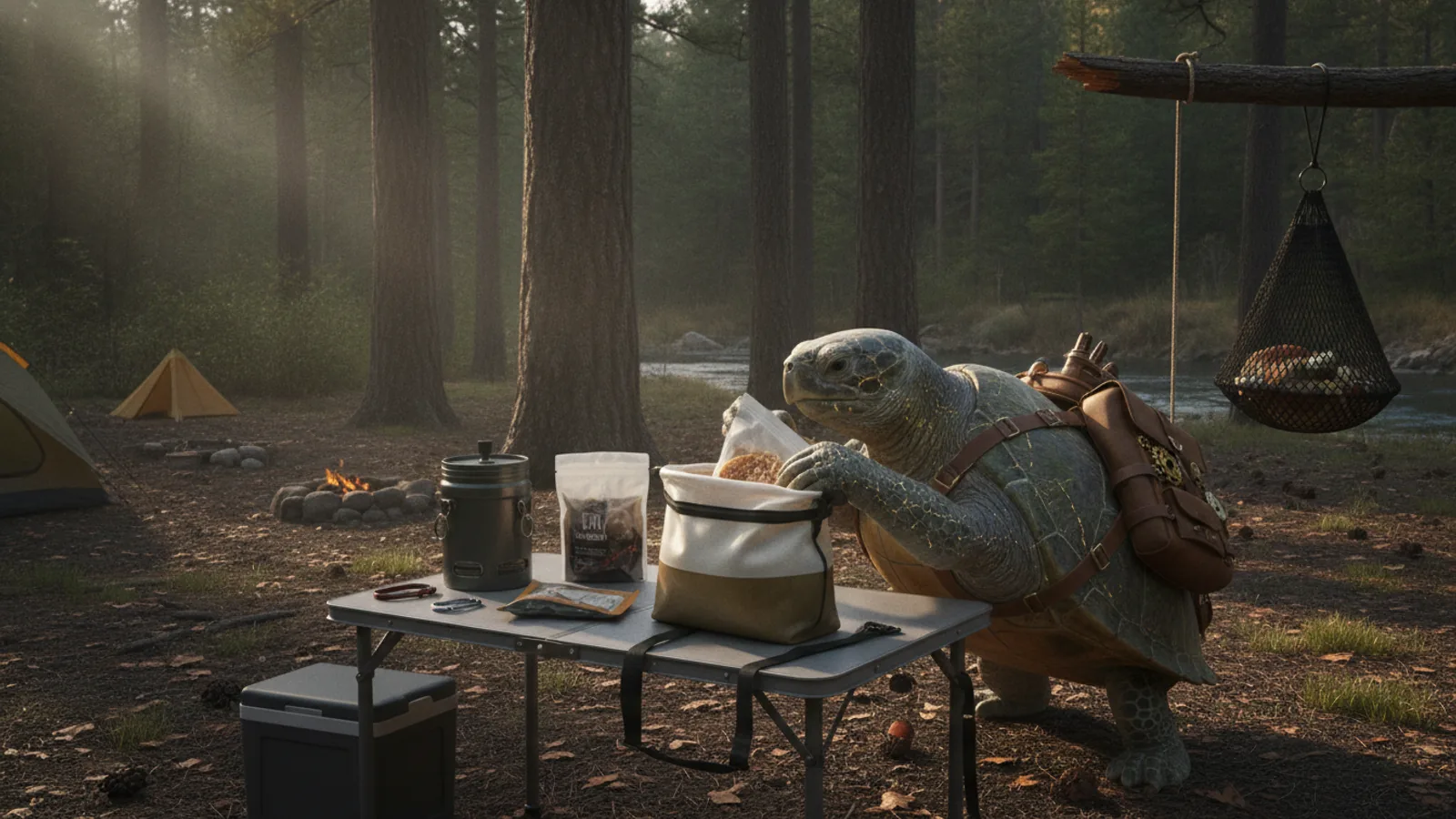
- Embrace Dehydrated or Freeze-Dried Meals: These foods are extremely lightweight, take up minimal space, and require no refrigeration. They dramatically reduce the need for cooler space and eliminate concerns about spoilage. You simply add hot water.
- Vacuum Sealing: Invest in a vacuum sealer to pack your perishable foods. Vacuum-sealed items take up less space, extend shelf life, and prevent leaks, which is especially useful for raw meats and marinated items.
- Portable Fridge/Freezer: For longer trips or car camping, a 12V portable fridge or freezer can be a game-changer. These run off your vehicle's battery or a portable power station and eliminate the need for ice, keeping food at a precise temperature.
- Thermal Cooking: Consider thermal cookers or "hay boxes." These devices use insulation to continue cooking food (or keep it warm/cold) without continuous heat or refrigeration. You bring food to a boil, then transfer it to the thermal cooker, which slowly cooks it over several hours, saving fuel and maintaining temperature.
- Pre-cooked and Frozen Meals: Prepare full meals at home, cook them, cool them, and then freeze them. These frozen meals act as their own ice blocks in the cooler and simply need reheating at camp. This is ideal for gourmet camping meals with minimal fuss in the wilderness.
- Dedicated Food Safety Checklist: Create and use a physical checklist for food packing, cooler loading, and campsite food management. This ensures you don't forget crucial steps, especially when you're tired or distracted.
How To Keep Food Safe While Camping FAQ
Here are answers to some common questions about food safety in the outdoors.
What is the "danger zone" for food temperatures?
The "danger zone" is the temperature range where harmful bacteria grow most rapidly, between 5°C and 60°C (41°F and 140°F). Perishable foods should not be left in this range for more than two hours (or one hour if the ambient temperature is above 32°C / 90°F).
How long can food typically stay safe in a cooler?
With proper packing (pre-chilled cooler, plenty of ice, minimal opening), food can stay safe in a good quality cooler for 2-4 days. High-end rotomoulded coolers can extend this to 5-7 days or even longer. Always monitor with a cooler thermometer to be sure it's below 5°C (41°F).
Can I refreeze thawed food if it's still cold?
It depends. If raw meat or poultry has fully thawed but remained at refrigerator temperature (below 5°C / 41°F), it's generally safe to refreeze, though there might be a loss of quality. However, if it has been in the danger zone for any significant time, it should not be refrozen.
What should I do with dishwater (greywater) at camp?
Always filter out food scraps from your dishwater and dispose of them with your solid rubbish. Then, scatter the remaining greywater widely over a large area, at least 60 metres (200 feet) away from water sources, trails, and campsites. Use biodegradable soap to minimise environmental impact.
What types of foods are best for camping if I want to avoid using a cooler?
Shelf-stable foods are ideal. These include tinned items (soups, stews, beans, tuna), dried fruits and nuts, granola bars, hard cheeses (like aged cheddar), cured meats (salami), pasta, rice, dehydrated meals, and shelf-stable milk or milk powder.
Final Checklist for How To Keep Food Safe While Camping
Before you embark on your outdoor adventure, use this quick checklist to ensure all your food safety bases are covered.
- Meals planned to minimise perishables and waste?
- All raw meats pre-portioned, frozen, and double-bagged?
- Coolers pre-chilled and packed with plenty of ice/ice packs?
- Food cooler temperature checked (below 5°C / 41°F)?
- All food stored in airtight, secure containers?
- Campsite chosen with shade for coolers and storage options?
- Adequate supplies for handwashing and dishwashing (soap, water, towels)?
- Food thermometer packed for checking cooking temperatures?
- Separate cutting boards/utensils for raw and ready-to-eat foods ready?
- Durable, sealable rubbish bags for all waste?
- Plan for safe drinking water (brought or purified)?
- Understood campsite rules for food storage and waste disposal?
By following these steps, you'll ensure your camping trips are remembered for breathtaking views and delicious meals, not for foodborne woes. Stay safe and enjoy the great outdoors!