How To Carry Water On A Long Hike
A practical step-by-step guide to how to carry water on a long hike, including preparation, instructions, common issues, tips, and next steps.
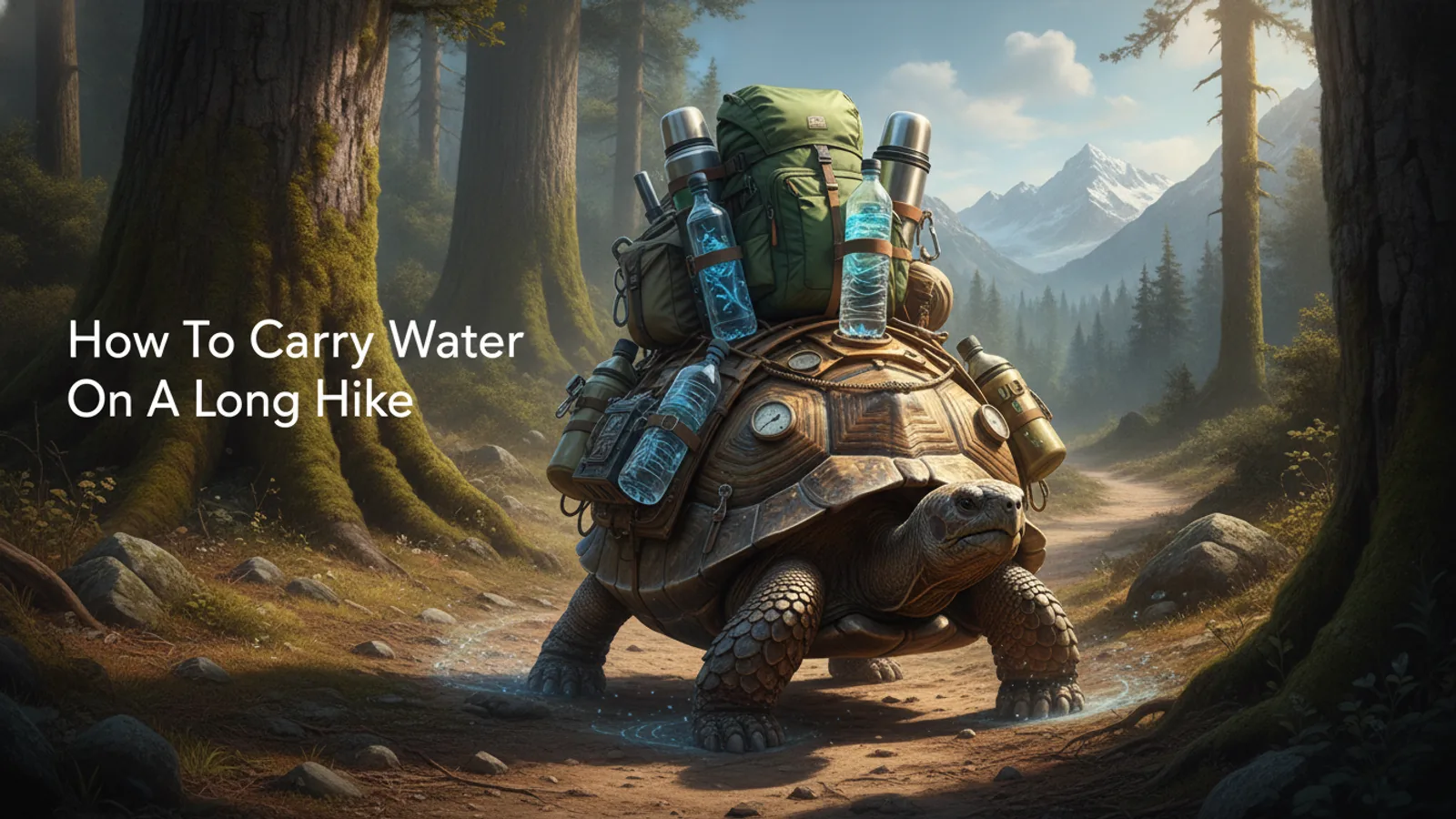
How To Carry Water On A Long Hike
This guide explains how to approach how to carry water on a long hike, including the preparation, practical steps, common mistakes, and final checks that help you finish with confidence.
Before You Start
Step-by-Step Instructions
Quick Reference
Common Problems When You Carry Water On A Long Hike
Problem: Water is Too Heavy
Description: Carrying several litres of water can quickly add significant weight to your pack, making your hike more strenuous and uncomfortable.
Fix:
Problem: Not Enough Water Carried
Description: Miscalculating your water needs can leave you parched and at risk of dehydration, especially on hot days or challenging routes.
Fix:
Problem: Water Tastes Bad After Purification
Description: Some purification methods, particularly iodine or chlorine dioxide tablets, can leave an unpleasant taste in your water.
Fix:
Problem: Hydration Bladder Leaks or is Hard to Clean
Description: Bladders can develop leaks, especially at the hose connection or cap, or they can become mouldy if not dried properly.
Fix:
Problem: Water Freezing in Cold Weather
Description: In freezing temperatures, water in bottles or hydration bladder hoses can turn to ice, making it impossible to drink.
Fix:
Advanced Tips for How To Carry Water On A Long Hike
Utilise Multiple Carrying Methods
Don't just stick to one type of water container. A combination often works best. For example, a 2-litre hydration bladder in your pack for continuous sipping, plus a 1-litre wide-mouth bottle in a side pocket for easy refilling or mixing electrolyte drinks. This provides redundancy and versatility, allowing you to carry 'dirty' water in one bottle to be filtered later, while keeping 'clean' water separate.
Pre-Hydrate Smartly
Start hydrating well before your hike. Drink plenty of water in the days leading up to your trip, especially the evening before and the morning of your hike. This ensures your body's cells are fully hydrated, reducing the risk of early dehydration and allowing you to start with less immediate carried water weight.
Optimise Electrolyte Intake
On longer or more strenuous hikes, especially in warm weather, simply drinking water isn't enough. You lose essential salts through sweat. Incorporate electrolyte tablets, powders, or even salty snacks to replenish these. This helps prevent cramping, fatigue, and can improve water absorption, making your carried water more effective.
Learn to Identify Reliable Water Sources
Beyond checking a map, developing an eye for potential water sources in the field is a valuable skill. Look for areas with lush vegetation, converge of valleys, or mossy rocks. Listen for the sound of running water. Remember that even seemingly clear water needs purification, but knowing where to find it reduces the amount you have to carry.
Use "Dirty" Water Bottles
Dedicate one or two water bottles solely for collecting untreated or "dirty" water from natural sources. This prevents contamination of your clean water bottles and keeps your filtered water separate and safe. Label them clearly if necessary. This strategy is particularly useful when using a squeeze filter that attaches directly to a bottle.
Plan Your Resupply Points Precisely
For multi-day treks or long distances between known water points, calculating your exact water needs between resupply points is critical. Know precisely how many litres you need to consume and how much is needed for cooking and hygiene. Factor in extra for emergencies. This meticulous planning can prevent carrying unnecessary weight while ensuring you never run dry.
How To Carry Water On A Long Hike FAQ
How much water should I carry for a 5-hour hike?
For a 5-hour hike in moderate conditions, you should aim to carry at least 2.5 to 5 litres of water. This is based on the guideline of 0.5 to 1 litre per hour. Adjust upwards for hotter weather or more strenuous terrain.
Can I just drink from streams or rivers?
No, it's generally not safe to drink untreated water directly from streams or rivers, especially in populated areas or near agricultural land. Natural water sources can contain harmful bacteria, viruses, or protozoa (such as Giardia or Cryptosporidium) that can cause severe illness. Always use a reliable water filter or purification method.
What's better: a hydration bladder or water bottles?
Both have advantages. Hydration bladders offer hands-free, continuous sipping and centralise weight. Water bottles are easier to refill, clean, and see your water level. Many hikers prefer a combination: a bladder for primary hydration and a bottle for backup, electrolyte drinks, or dirty water collection.
How do I stop my water from freezing in winter?
To prevent water from freezing, insulate your bottles (e.g., with foam sleeves or by wrapping them in clothing) and store them inside your backpack, close to your body. For hydration bladders, blow air back into the hose after each sip to clear water from the tube. Using an insulated sleeve for the hose and keeping the bladder inside your jacket can also help significantly.
Should I carry a water filter even if there are no planned water sources?
Yes, it's wise to carry a lightweight water filter or purification tablets as an emergency backup, even if you don't plan to use natural sources. Unexpected delays, navigational errors, or increased water consumption can quickly deplete your supply, making an emergency purification method invaluable.
How often should I clean my hydration bladder?
You should clean your hydration bladder and hose after every use. Rinse it thoroughly with warm water, use a mild soap or cleaning tablet occasionally, and ensure it's completely dry before storing to prevent mould and mildew growth. Special cleaning brush kits are available for bladders and tubes.
Final Checklist for How To Carry Water On A Long Hike
- Calculate water needs: Have you estimated how much water you need based on hike length, weather, and difficulty?
- Choose carrying methods: Have you selected appropriate bottles, bladders, or a combination for your hike?
- Pack water strategically: Is your water distributed for balance and accessibility in your pack?
- Plan for resupply: Have you identified potential water sources along your route?
- Carry purification: Do you have a reliable water filter, tablets, or other purification method for natural sources?
- Check gear: Are all your water containers and purification devices clean, leak-free, and in good working order?
- Consider electrolytes: Do you have electrolyte supplements if needed for long or hot hikes?
- Emergency backup: Do you have a small, lightweight backup purification method for emergencies?
- Hydrate beforehand: Have you pre-hydrated adequately before starting your hike?
- Inform someone: Has someone back home been informed of your route and expected return time?