How To Choose A Headlamp For Camping
A practical step-by-step guide to how to choose a headlamp for camping, including preparation, instructions, common issues, tips, and next steps.
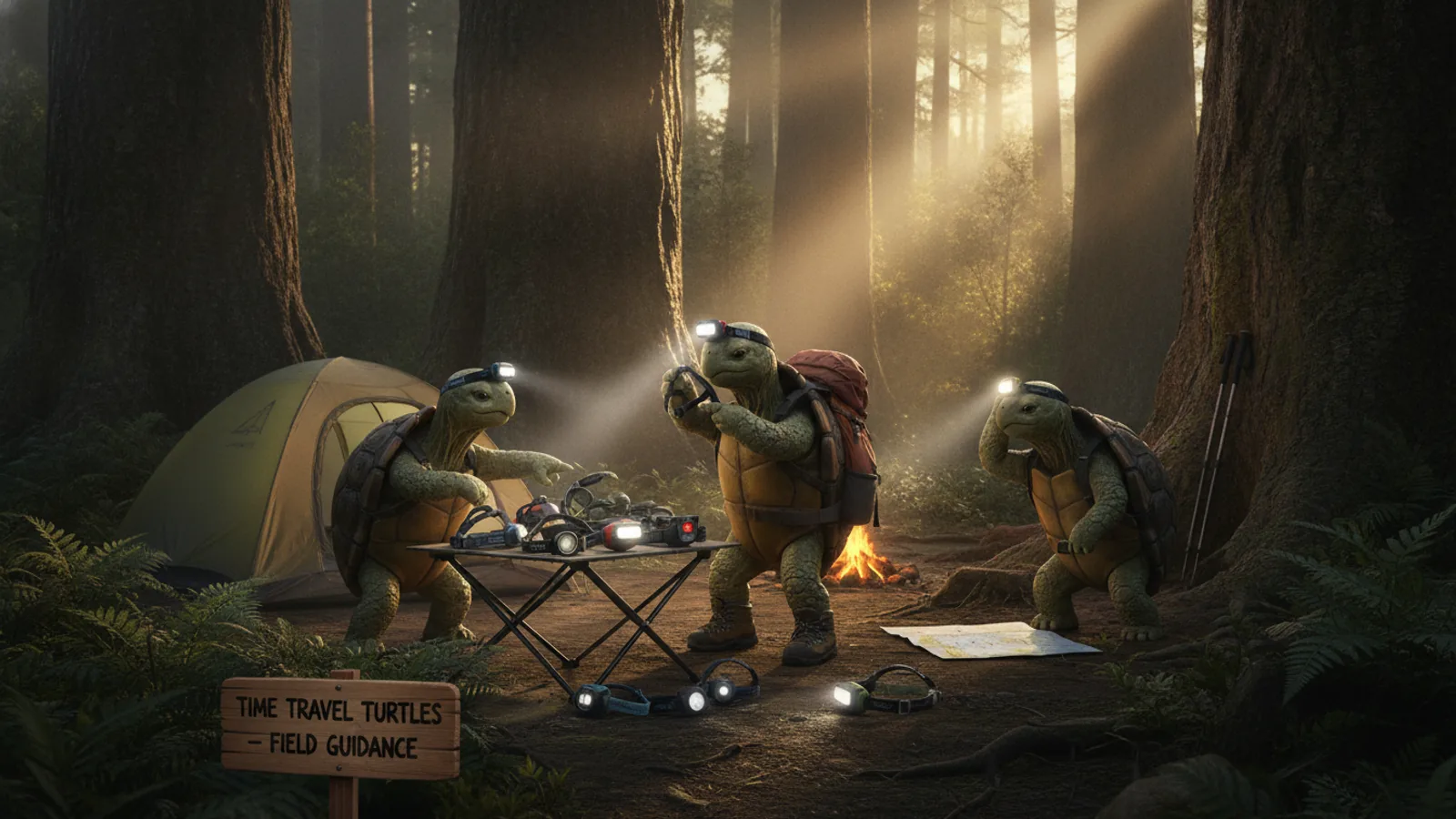
How To Choose A Headlamp For Camping
This guide explains how to approach how to choose a headlamp for camping, including the preparation, practical steps, common mistakes, and final checks that help you finish with confidence.
Before You Start
Step-by-Step Instructions
Quick Reference
Common Problems When You Choose A Headlamp For Camping
Even with careful selection, campers can sometimes run into common issues with their chosen headlamp. Understanding these can help you troubleshoot or refine your choices for future trips.
Advanced Tips for How To Choose A Headlamp For Camping
Once you've mastered the basics, consider these advanced tips to refine your headlamp choice and optimise your outdoor lighting strategy.
How To Choose A Headlamp For Camping FAQ
What's a good lumen count for general camping?
For general camping tasks like setting up a tent, cooking, or moving around camp, 100-200 lumens is typically a good range. If you plan on night hiking or need to see further, consider 250-350 lumens or more, ensuring it also has a good spot beam. Remember, higher lumens often mean shorter battery life.
Should I choose rechargeable or disposable batteries?
It depends on your trips. Rechargeable (Li-ion) batteries are more cost-effective and environmentally friendly for frequent use and provide consistent power. They're great if you have access to charging points or a power bank. Disposable AAA batteries are better for longer trips away from power sources, as you can easily carry lightweight spares. Some headlamps offer a hybrid system, allowing both types.
What does an IPX rating mean for a headlamp?
The IPX rating indicates a headlamp's water resistance. The 'X' means no specific dust rating (though often implicit). IPX4 is splash-proof and suitable for light rain. IPX7 means it can be submerged in 1 metre of water for 30 minutes, ideal for very wet conditions or accidental drops. Higher numbers mean greater protection. For most camping, IPX4 is a good minimum.
Do I really need a red light mode?
While not strictly essential, a red light mode is highly recommended for camping. It helps preserve your natural night vision, meaning your eyes don't need to re-adjust to the dark after turning off the light. It's also less disruptive to other campers and better for tasks like stargazing or reading in a tent without disturbing your tent mates.
How much should I expect to spend on a good camping headlamp?
A reliable camping headlamp typically ranges from £25 to £60. High-end models with advanced features like reactive lighting, superior optics, or robust build quality can cost upwards of £80-£120. Your budget should align with your specific needs, the frequency of use, and the conditions you'll face.
How can I prevent my headlamp battery from dying in cold weather?
Cold significantly reduces battery efficiency. To prevent this, use lithium batteries (not alkaline AAA) as they perform better in the cold. If your headlamp has an external battery pack, keep it warm inside your jacket or sleeping bag. Carry spare batteries, and consider using lower brightness settings to conserve power.
Final Checklist for How To Choose A Headlamp For Camping
Before making your final decision, run through this checklist to ensure your chosen headlamp meets all your essential requirements for safe and enjoyable camping.
- Activity Match: Does the headlamp's features (brightness, beam type) align with your primary camping activities?
- Brightness & Distance: Is the lumen output sufficient for your needs, and does the beam reach far enough for navigation?
- Battery & Runtime: Have you chosen the right battery type (rechargeable/disposable) and checked that its runtime meets your trip duration expectations, especially on your most-used setting?
- Water Resistance: Is the IP rating appropriate for the weather conditions you expect (minimum IPX4 for rain)?
- Beam Modes: Does it offer versatile beam patterns (flood for close-up, spot for distance) and useful modes like red light?
- Comfort & Fit: Is the headlamp lightweight and comfortable to wear for extended periods, with an adjustable strap?
- Usability: Are the buttons easy to operate, even with gloves? Does it have a lockout function and a battery indicator?
- Durability: Does it feel well-built and capable of withstanding typical outdoor knocks and drops?
- Backup Plan: Have you considered spare batteries or a power bank for recharging on longer trips?
By thoughtfully addressing these points, you will be well-equipped with a reliable light source for all your outdoor adventures.