How To Choose Trekking Poles
A practical step-by-step guide to how to choose trekking poles, including preparation, instructions, common issues, tips, and next steps.
How To Choose Trekking Poles
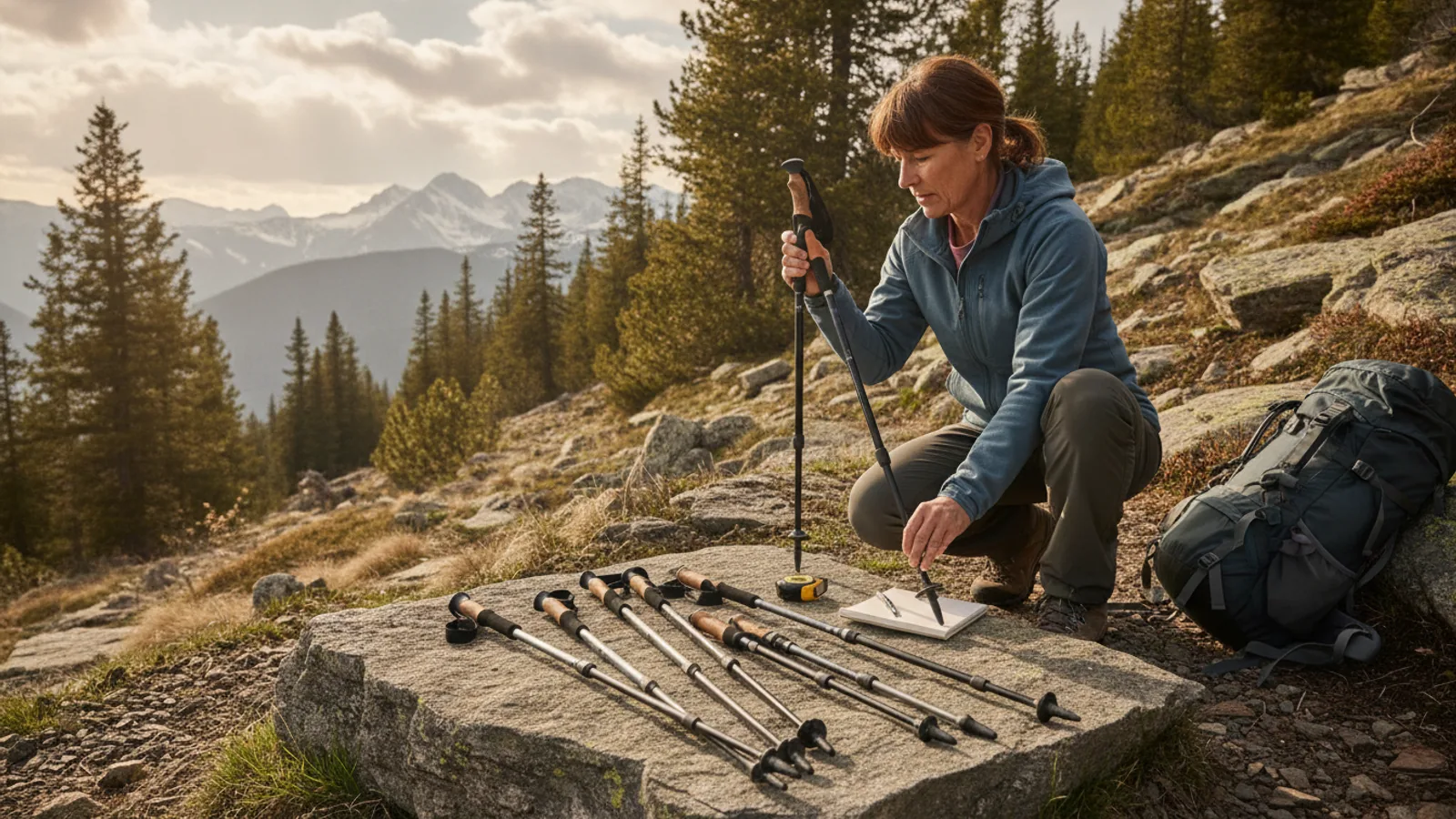
This guide explains how to approach how to choose trekking poles, including the preparation, practical steps, common mistakes, and final checks that help you finish with confidence.
Before You Start
Step-by-Step Instructions
Quick Reference
Common Problems When You Choose Trekking Poles
Even with careful consideration, some common issues can arise when selecting or using trekking poles. Knowing these can help you avoid frustration and ensure your poles serve you well.
Poles Too Long or Too Short
This is arguably the most common mistake. Poles that are the wrong length can cause shoulder pain, back strain, and ineffective propulsion or balance. If poles are too long, your arms will be uncomfortably high, putting stress on your shoulders. If they're too short, you'll be leaning over, straining your back.
Fix: Re-adjust to the correct 90-degree elbow bend on flat ground. Remember to shorten poles for uphill and lengthen for downhill. If you have fixed-length poles and they feel wrong, they might be the wrong size for your height. Double-check sizing charts and consider if adjustable poles would be better for your varied terrain.
Grip Discomfort or Blisters
After a long day, even seemingly comfortable grips can cause discomfort, especially if your hands sweat a lot or if you're gripping too tightly. Blisters can form from friction.
Fix: Ensure you're using the wrist straps correctly to support your weight, allowing your hands to relax. If your hands sweat, cork grips are excellent for wicking moisture. For very sensitive hands, consider wearing thin gloves. If the grips still feel wrong, try different grip materials or brands.
Adjustment Mechanism Slipping or Freezing
Twist-locks can sometimes slip if not tightened enough, or seize up in cold, wet, or icy conditions. Flick-locks can also slip if the tension isn't correctly set or if dirt gets into the mechanism.
Fix: For twist-locks, ensure you twist them firmly but avoid over-tightening. In cold weather, try to adjust them before they freeze. For flick-locks, check the tension screw (usually a small Philips head screw) and tighten it slightly if poles are slipping. Keep mechanisms clean from dirt and grit. Apply a tiny amount of dry lubricant if parts are stiff.
Baskets or Tips Wearing Out Quickly
Pole tips are consumables, but they shouldn't wear out excessively fast. If baskets are constantly falling off or getting damaged, it indicates an issue.
Fix: Ensure you're using the correct baskets for the terrain. Small trekking baskets are fine for most conditions, but large snow baskets are crucial in deep snow. Rubber tip protectors are excellent for pavement and hard surfaces, extending the life of your carbide tips. If tips wear quickly, consider if you're putting too much weight on the poles, or if they are cheap, low-quality tips. High-quality carbide tips offer the best durability.
Poles Snapping or Bending
While unavoidable in extreme situations, frequent snapping (carbon fibre) or severe bending (aluminium) suggests either excessive force, unsuitable poles for the activity, or manufacturing defects.
Fix: Assess if you're over-relying on your poles or putting them under unreasonable stress. Carbon fibre poles are light but more brittle; if you know you're rough on gear, aluminium might be a better choice. Ensure you're not extending poles beyond their maximum stated length, as this weakens them. Always check for defects from the manufacturer if poles fail unexpectedly early.
Advanced Tips for How to Choose Trekking Poles
Once you've mastered the basics, these advanced considerations can help you refine your choice and get even more utility from your trekking poles.
Using Poles for Shelter Setups
Some ultralight shelters and tarps are designed to be pitched using trekking poles as their main support. If you're planning to go ultralight and use this style of shelter, check the recommended pole length range needed for pitching. This might influence your choice of pole, potentially favouring adjustable models that can extend to a greater length, or fixed-length poles if your shelter requires a very specific, consistent height. Ensure your chosen poles are sturdy enough to withstand wind and provide reliable support for your shelter.
Shock Absorption Features
Some trekking poles incorporate internal springs or elastomers that provide shock absorption. This feature can reduce impact on your wrists, elbows, and shoulders, particularly beneficial on long descents or hard terrain. While shock-absorbing poles can add a little weight and complexity, they can significantly increase comfort for those with sensitive joints or pre-existing conditions. Test them out to see if you prefer the feel; some hikers find the springy sensation distracting.
Leveraging Ergonomic Grips
Beyond material, the shape of the grip can impact comfort and performance. Some poles feature ergonomically designed grips that are angled slightly or have specific contours to better fit the natural position of your hand. These can reduce wrist strain over long periods. Look for poles with an extended foam grip area below the main handle; this allows you to quickly "choke up" on the pole for short uphill sections without needing to re-adjust the length, offering quick versatility.
Considering a Single Pole vs. A Pair
While most advice focuses on using a pair of poles, some activities or personal preferences might call for just one. A single pole can provide extra balance on uneven ground without the full commitment or weight of two. However, two poles offer superior stability, significantly offload weight from knees and hips, and provide better propulsion. For true stability and joint protection, especially on varied terrain or with a pack, a pair is almost always recommended. Consider a single pole only if you're experienced and understand the trade-offs.
Maintenance for Longevity
Regardless of your choice, proper maintenance extends the life of your poles. Regularly disassemble adjustable poles (especially twist-locks) to clean out dirt, grit, and moisture from inside the sections. Dry them thoroughly before storing. Check the tension screws on flick-lock mechanisms occasionally. Replace worn-out baskets and tips promptly. This routine care ensures your poles remain reliable and perform optimally for many adventures to come.
How To Choose Trekking Poles FAQ
Final Checklist for How to Choose Trekking Poles
Before making your final decision, run through this checklist to ensure you've considered all the critical aspects:
By carefully working through these points, you'll be well-equipped to choose trekking poles that enhance your outdoor adventures for years to come.
FAQ
What should I check before I start?
Check the goal, the key prerequisite, and any current instructions that could change the safest next step for how to choose trekking poles.
How can I tell whether the result is working?
Use the practical checks in the guide, pause if a required step is unclear, and verify the finished result against the intended outcome.