How To Fuel For A Trail Run
A practical step-by-step guide to how to fuel for a trail run, including preparation, instructions, common issues, tips, and next steps.
How To Fuel For A Trail Run
This guide explains how to approach how to fuel for a trail run, including the preparation, practical steps, common mistakes, and final checks that help you finish with confidence.
Before You Start
Step-by-Step Instructions
Quick Reference
Common Problems When You Fuel For A Trail Run
Stomach Upset or Nausea
This is one of the most common and disruptive issues for trail runners. It can be caused by consuming too much sugar at once, eating foods high in fat or fibre, not hydrating enough with your fuel, or simply using products your stomach doesn't agree with. The jostling motion of running on trails can exacerbate these issues.
Fix: The best defence is a good offence: test all your fuelling products and strategies during training. Introduce new items gradually. During a run, if you feel queasy, slow down your pace, switch to plain water or a very diluted electrolyte drink, and avoid solid foods for a while. Sometimes, a small amount of ginger or plain crackers can help settle the stomach.
'Bonking' or Hitting the Wall
This term describes the sudden, severe fatigue and loss of energy that occurs when your body's glycogen stores are depleted. You feel sluggish, weak, and mentally foggy. It's often a result of not consuming enough carbohydrates during longer efforts.
Fix: Prevention is key. Ensure you carb-load properly for long runs and consistently consume carbohydrates (30-90g per hour, depending on duration and intensity) at regular intervals during your run. If you start to feel it coming on, take an extra gel or chew and try to slow your pace slightly until the fuel kicks in. Don't wait until you're already bonking to eat.
Dehydration and Cramps
Not drinking enough, or only drinking plain water without electrolytes, can lead to dehydration. Symptoms include excessive thirst, dry mouth, fatigue, and headaches. Muscle cramps, especially in the legs, are often a sign of electrolyte imbalance, particularly a lack of sodium.
Fix: Drink consistently and proactively, not just when you feel thirsty. For runs over an hour or in hot weather, use electrolyte drinks or water with electrolyte tablets. A good general guideline is 500-750ml of fluid per hour. If cramps strike, try to stretch the affected muscle, take an electrolyte supplement, and sip on an electrolyte drink.
Flavour Fatigue and Aversion
During very long runs, especially multi-hour or ultra-distance events, you might suddenly find that you can't stand the taste or texture of your usual energy gels or chews. This "flavour fatigue" can make it difficult to continue fuelling, leading to bonking.
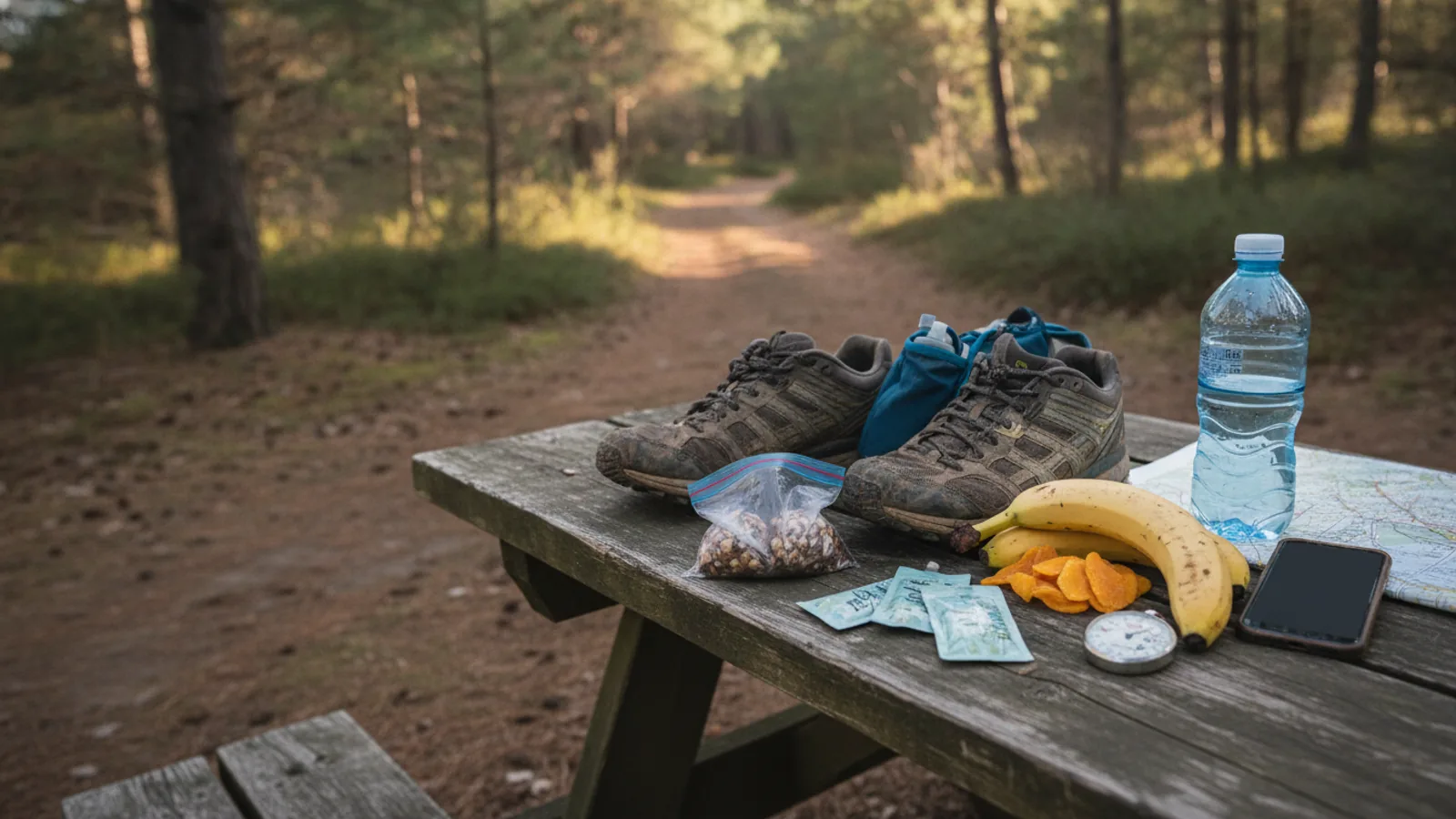
Fix: Diversify your fuel sources. Carry a variety of gels, chews, and "real food" options (e.g., small pieces of banana, dried fruit, pretzels, rice balls, or even a small, plain sandwich). Alternate between sweet and savoury, or different fruit flavours. Sometimes a change in texture is all it takes to get you eating again. Consider liquid calories from sports drinks as an alternative to solids.
Advanced Tips for How To Fuel For A Trail Run
Train Your Gut
Just like you train your legs and lungs, you can train your digestive system to better handle fuel during intense exercise. During your long training runs, practice consuming the same amount and types of food and drink you plan to use on your target race or long run. Gradually increase your hourly carbohydrate intake over time to see what your gut can comfortably tolerate. This helps improve gastric emptying and nutrient absorption.
Personalise Your Electrolyte Strategy
Sweat rates and electrolyte concentrations vary significantly between individuals. Some runners are "salty sweaters," meaning they lose more sodium. Pay attention to how much you sweat and if you often experience salt streaks on your skin or clothes after a run. If so, you might need a higher-sodium electrolyte drink or supplement. You can even consider a sweat test (offered by some sports science clinics) for precise recommendations. Adjust your electrolyte intake based on the weather and intensity.
Experiment with Different Carbohydrate Sources
Energy gels and sports drinks typically use simple sugars (glucose, fructose, maltodextrin) for quick absorption. However, for longer efforts, incorporating more complex carbohydrates or a mix of sugar types can provide more sustained energy and reduce the risk of a sugar crash. Examples include using gels with a mix of glucose and fructose, or integrating small amounts of "real food" like oat bars, pretzels, or dried fruit into your fuelling plan. This also helps combat flavour fatigue.
Caffeine Strategy
Caffeine can provide a performance boost and enhance alertness, especially during longer runs when fatigue sets in. Experiment with caffeine-containing gels or drinks in training. The optimal timing and dosage vary, but many runners find benefits from taking caffeine about 30-60 minutes before they expect to feel tired, or around the halfway point of a long run. Be mindful of total caffeine intake to avoid jitters or stomach upset, and always test it first.
Adjust for Environmental Conditions
Your fuelling needs aren't static. In hot weather, focus more heavily on hydration and electrolytes, as sweat rates increase dramatically. In colder conditions, while you might not feel as thirsty, you're still losing fluids, and your body might burn slightly more calories to stay warm, so consistent fuelling is still crucial. High altitude can also increase energy demands and impact hydration, requiring increased intake of both food and fluid.
How To Fuel For A Trail Run FAQ
Final Checklist for How To Fuel For A Trail Run
FAQ
What should I check before I start?
Check the goal, the key prerequisite, and any current instructions that could change the safest next step for how to fuel for a trail run.
How can I tell whether the result is working?
Use the practical checks in the guide, pause if a required step is unclear, and verify the finished result against the intended outcome.