How To Hike Safely In Cold Weather
A practical step-by-step guide to how to hike safely in cold weather, including preparation, instructions, common issues, tips, and next steps.

How To Hike Safely In Cold Weather
This guide explains how to approach how to hike safely in cold weather, including the preparation, practical steps, common mistakes, and final checks that help you finish with confidence.
Before You Start
Before you even think about stepping out into the cold, a significant part of your safety hinges on thorough preparation. Cold weather hikes, even on familiar trails, demand extra attention to detail.
What You Need
Having the correct gear isn't just about comfort; it's about survival. Here’s a breakdown of the essentials:
Safety, Timing, or Context Checks
Beyond gear, understanding the environment and your plan is key:
Step-by-Step Instructions
Quick Reference
Common Problems When You Hike Safely In Cold Weather
Even with careful planning, challenges can arise. Being aware of common issues helps you react quickly and safely.
- Excessive Sweating Leading to Chill: This is arguably the most common mistake. Overdressing or pushing too hard causes sweat, which then makes your clothing wet. Once you stop moving, that wet clothing rapidly draws heat away from your body, leading to a dangerous chill.
- Not Enough Insulation: Underestimating the cold, especially when wind chill is a factor, can leave you without adequate warmth. This puts you at high risk of hypothermia.
- Getting Lost in Whiteouts or Short Daylight: Snowfall or thick fog can reduce visibility to almost zero, making navigation incredibly difficult. Short winter days also mean darkness can fall quickly.
- Frozen Water Bottles or Snacks: Water can freeze solid, making it impossible to drink, and some snacks become rock hard and inedible.
- Slips and Falls on Ice or Snow: Icy patches, compacted snow, or hidden rocks under snow can lead to painful and dangerous falls, especially if carrying a heavy pack.
- Ignoring Early Signs of Cold Injuries: People sometimes push through discomfort or don't recognise the subtle onset of hypothermia or frostbite in themselves or others.
Advanced Tips for How To Hike Safely In Cold Weather
Once you've mastered the basics, these tips can further enhance your safety and enjoyment in colder conditions.
- Strategic Use of Hand and Foot Warmers: Small, single-use chemical warmers can be incredibly effective. Place them in your gloves or socks before they get completely cold, or use them to warm up your phone battery.
- Insulated Sit Pads: A small, lightweight foam or inflatable sit pad makes a huge difference when taking breaks. Sitting directly on cold snow or rocks quickly drains body heat.
- Consider Traction Devices: For icy or snowy trails, invest in proper traction devices like microspikes or even full crampons if you're venturing into more technical terrain. Learn how to use them safely.
- Carry a Small Insulated Flask with Hot Food: Beyond hot drinks, a small wide-mouth thermos can hold a hot, hearty meal like soup, stew, or pasta. This provides significant internal warmth and energy on a cold day.
- Practice Navigation in Good Conditions: Don't wait for a whiteout to test your map and compass skills. Practice regularly in clear conditions until you're confident.
- Understand Avalanche Safety: If you plan to hike in mountainous regions during winter, learning about avalanche awareness, risk assessment, and carrying appropriate safety gear (transceiver, probe, shovel) is paramount. This requires specialised training.
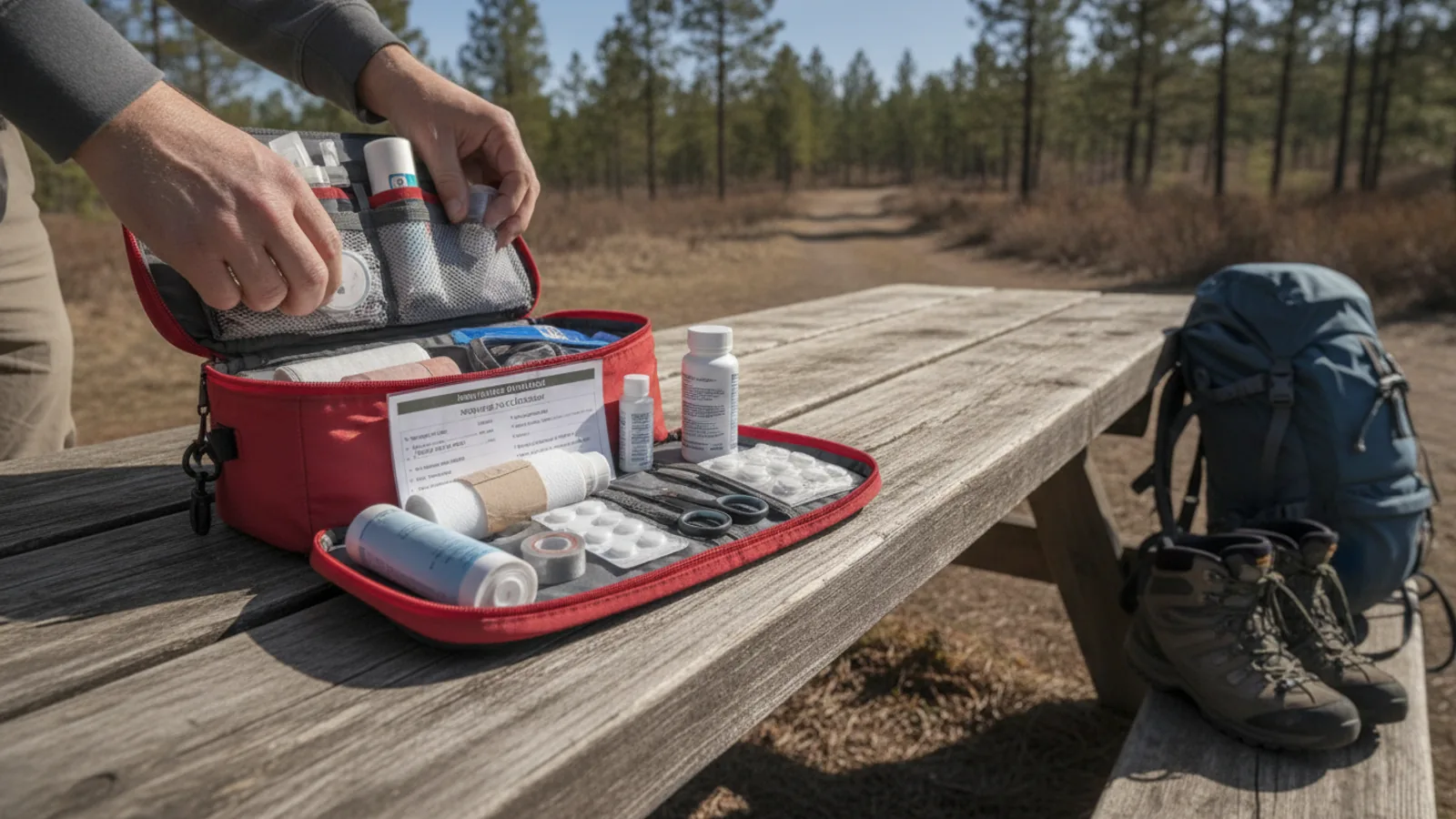
- Pre-Trip Gear Check: Before every cold weather trip, do a thorough check of all your gear. Are your zips working? Are your waterproof layers still waterproof? Are your batteries charged? Is your first-aid kit fully stocked?
- Know Your Route's Exposure: Understand which parts of your trail are exposed to wind and which offer shelter. Plan your breaks for sheltered spots.
- Bring a Spare Phone Power Bank: Mobile phones drain quickly in the cold. A fully charged power bank, kept warm in an inner pocket, can give your phone a critical boost for emergencies.
How To Hike Safely In Cold Weather FAQ
Here are some common questions hikers have about staying safe in cold conditions.
Can I wear jeans for cold weather hiking?
Absolutely not. Jeans (cotton denim) absorb moisture and hold it against your skin, rapidly drawing away heat. Once wet, they take a very long time to dry and can quickly lead to hypothermia. Always opt for synthetic or wool trousers designed for outdoor activity.
How often should I drink water when it's cold?
Even if you don't feel as thirsty, you should aim to drink water or warm fluids regularly throughout your hike, ideally every 20-30 minutes. Dehydration hinders your body's ability to stay warm.
What's the most important piece of gear for cold weather hiking?
While all gear is important, a good layering system (specifically a waterproof and windproof outer shell combined with appropriate insulation) is arguably the most critical for preventing hypothermia. Close seconds would be reliable navigation tools and the means to communicate in an emergency.
How cold is too cold to hike?
There's no single "too cold" temperature, as it depends heavily on factors like wind chill, precipitation, your gear, experience, and fitness level. For beginners, temperatures below 0°C (32°F) with significant wind can be challenging. Always factor in wind chill, as a breezy 0°C can feel like -10°C or colder. If conditions feel too extreme for your experience level or gear, it's always best to postpone or choose a different activity.
What if my phone battery dies in the cold?
This is a common issue. If your phone dies, you'll need to rely on your physical map and compass for navigation. This is why they are essential backups. Additionally, if you have a spare power bank, try to keep it warm (e.g., in an inside pocket) to maximise its effectiveness when recharging your phone.
Final Checklist for How To Hike Safely In Cold Weather
Before you step out the door, run through this final checklist to ensure you've covered all the essentials for a safe and enjoyable cold weather hike.
- Weather Checked: Have you reviewed the most current forecast, including wind chill and precipitation, for your specific route?
- Route Planned & Shared: Is your chosen route suitable for the conditions and your group's abilities? Has someone reliable been informed of your detailed plan and expected return time?
- Layering System Packed: Do you have your base, mid, and waterproof/windproof outer layers ready, with extra insulation? (No cotton!)
- Extremities Protected: Are your warm hat, insulated waterproof gloves/mittens, and warm, waterproof boots with spare socks packed?
- Food & Water Ample: Do you have enough high-energy food and plenty of water or warm drinks in insulated containers?
- Navigation Tools Ready: Are your physical map, compass, and a fully charged GPS device (with power bank) with you, and do you know how to use them?
- Emergency Gear On Hand: Is your first-aid kit stocked, headlamp with fresh batteries, and emergency shelter packed?
- Know Cold Injury Signs: Are you and your hiking partners aware of the symptoms of hypothermia and frostbite and how to react?
- Physical & Mental Readiness: Are you feeling well and confident about the hike? Are you prepared to turn back if conditions worsen or you feel unwell?