How To Pack For A Weekend Hike
A practical step-by-step guide to how to pack for a weekend hike, including preparation, instructions, common issues, tips, and next steps.

How To Pack For A Weekend Hike
This guide explains how to approach how to pack for a weekend hike, including the preparation, practical steps, common mistakes, and final checks that help you finish with confidence.
Before You Start
Before you even begin pulling items out of your gear cupboard, it’s crucial to establish a clear picture of your upcoming adventure. Understanding the context of your hike will directly inform what you need to pack and how much of it.
What You Need
While you don't need every item listed here immediately, this gives you an idea of the categories of gear you'll be gathering to pack for a weekend hike:
Safety, Timing, or Context Checks
Don't skip these vital checks. They form the bedrock of a safe and enjoyable hike, guiding your packing decisions and ensuring you’re ready for the actual how to pack for a weekend hike process:
Step-by-Step Instructions
Packing for a weekend hike is an art of efficiency and organisation. Follow these steps to ensure your backpack is a well-balanced, comfortable, and practical companion on the trail, ready for your adventure.
Quick Reference
Common Problems When You Pack For A Weekend Hike
Even with the best intentions, packing can present challenges. Being aware of these common pitfalls can help you avoid discomfort or inconvenience on your hike and ensure you know how to pack for a weekend hike effectively.
- Over-packing: This is perhaps the most common mistake. Carrying too much weight leads to fatigue, slower progress, and can increase the risk of injury. Every gram counts on a multi-day hike, and unnecessary items will weigh you down.
- Poor weight distribution: A badly balanced pack feels awkward, pulls on your shoulders, and can throw you off balance, especially on uneven terrain. This often happens when heavy items are packed too far from your back, too high, or too low in the pack, causing discomfort and instability.
- Inadequate waterproofing: Wet gear is uncomfortable, heavy, and can be dangerous if it includes essential warm layers or sleeping equipment. Relying solely on a pack cover for sustained rain is often not enough to keep everything dry in unpredictable weather.
- Forgetting essentials: Leaving behind critical items like a map, compass, first-aid kit, sufficient water, or a headtorch can turn a pleasant hike into a serious situation, compromising your safety and that of your group.
- Unorganised pack: A messy pack makes it hard to find what you need quickly, leading to frustration and wasted time on the trail. Imagine rummaging for your headtorch in the dark when you need it urgently.
Advanced Tips for How To Pack For A Weekend Hike
Once you've mastered the basics of how to pack for a weekend hike, consider these tips to refine your packing strategy and enhance your trail experience even further.
- Embrace Multi-Use Items: Look for gear that serves more than one purpose. For example, your sleeping mat can double as a camp seat. A buff can be a hat, scarf, or headband. Your cooking pot can be a mug. This significantly reduces overall item count and weight, making your pack lighter.
- Consider an Ultralight Approach: Gradually reduce the weight of your gear. This doesn't mean sacrificing safety but rather choosing lighter versions of essentials, cutting off unnecessary tags, or even repacking things like toothpaste into smaller containers. The goal is a comfortable base weight (your pack's weight without food, water, or fuel) of 5-7 kg for a weekend trip.
- Practice Makes Perfect (The Shakedown Hike): Do a "shakedown" hike or even just a long walk around your local park with your fully packed bag. This helps you identify hot spots, uncomfortable adjustments, or items you might genuinely not need. It’s better to discover these things close to home than miles into your actual hike.
- Shared Gear Strategy: If hiking with a partner or group, meticulously plan who carries which shared items. One person carries the tent, another the stove, another the fuel. This cooperative effort significantly lightens everyone's load, distributing the burden more evenly.
- Emergency Contingency: Always pack a small, lightweight emergency bivy bag or survival blanket, even if you have a tent. This minimal addition can be a lifesaver in unexpected situations, such as an injury delaying your return or if your primary shelter becomes unusable.
- Route-Specific Customisation: Tailor your packing list precisely to your chosen route. Are there river crossings? You might need different footwear or trekking poles. Will you be above the tree line? Stronger wind protection is vital. Don't use a generic list for every hike; adapt it to the specific challenges and environment.
How To Pack For A Weekend Hike FAQ
Here are answers to some common questions about packing for an overnight adventure, helping you refine your approach to how to pack for a weekend hike:
What is the ideal backpack size for a weekend hike?
For a typical 1-2 night weekend hike, a backpack between 30 and 50 litres is usually ideal. This size provides enough space for your sleeping system, shelter, food, and extra clothing without encouraging over-packing. If you're going ultralight or sharing a lot of gear, you might get away with a slightly smaller pack (25-30L), while winter conditions might push you towards the higher end (50L) for bulkier insulation and warmer gear.
How can I make my backpack waterproof?
The most reliable method is a combination approach. First, use a waterproof pack liner (a large, sturdy plastic bag or purpose-built liner) inside your main backpack compartment. Second, place sensitive items like your sleeping bag, spare clothes, and electronics into individual dry bags or sturdy zip-lock bags before putting them in the liner. Finally, use your backpack's rain cover as an external defence against lighter showers, but don't rely on it as your sole waterproofing solution.
Do I need a cooking system for a weekend hike?
Not always, but it largely depends on your food choices and preferences. If you plan to enjoy hot meals, coffee, or tea, then a lightweight stove, fuel, and a pot are essential. However, for some, a weekend hike can be done with only 'no-cook' meals (sandwiches, wraps, energy bars, pre-cooked items). Assess your needs and the weather – a hot drink can be a huge morale booster and source of warmth in cold or wet conditions.
Should I bring a pillow?
Bringing a pillow is a matter of personal comfort versus weight. Dedicated inflatable hiking pillows are lightweight and pack down small, offering a good compromise. Alternatively, you can use a stuff sack filled with your spare clothes (like a fleece or jacket) as a makeshift pillow. If you prioritise comfort for a good night's sleep, a small pillow is a worthwhile addition; otherwise, make do with what you've packed, utilising clothing for support.
How much water should I carry?
This depends heavily on the length of your daily hike, the weather, and available water sources on your route. A good starting point is 2-3 litres per person per day. However, if water sources are scarce or non-existent, you'll need to carry more, potentially 4-5 litres for a full day. Always know where your next water refill point is, and consider carrying a water filter or purification tablets as a backup for safety.
Final Checklist for How To Pack For A Weekend Hike
Before you step out the door, run through this quick checklist to ensure nothing is overlooked and you're fully prepared for your weekend adventure. This final check is crucial for a successful and safe trip.
- Backpack properly packed: Weight distributed correctly, all compression straps tightened.
- Waterproofed essentials: Sleeping bag, spare clothes, and electronics secured in dry bags or a pack liner.
- Navigation tools ready: Map, compass, fully charged phone with route loaded, and a power bank.
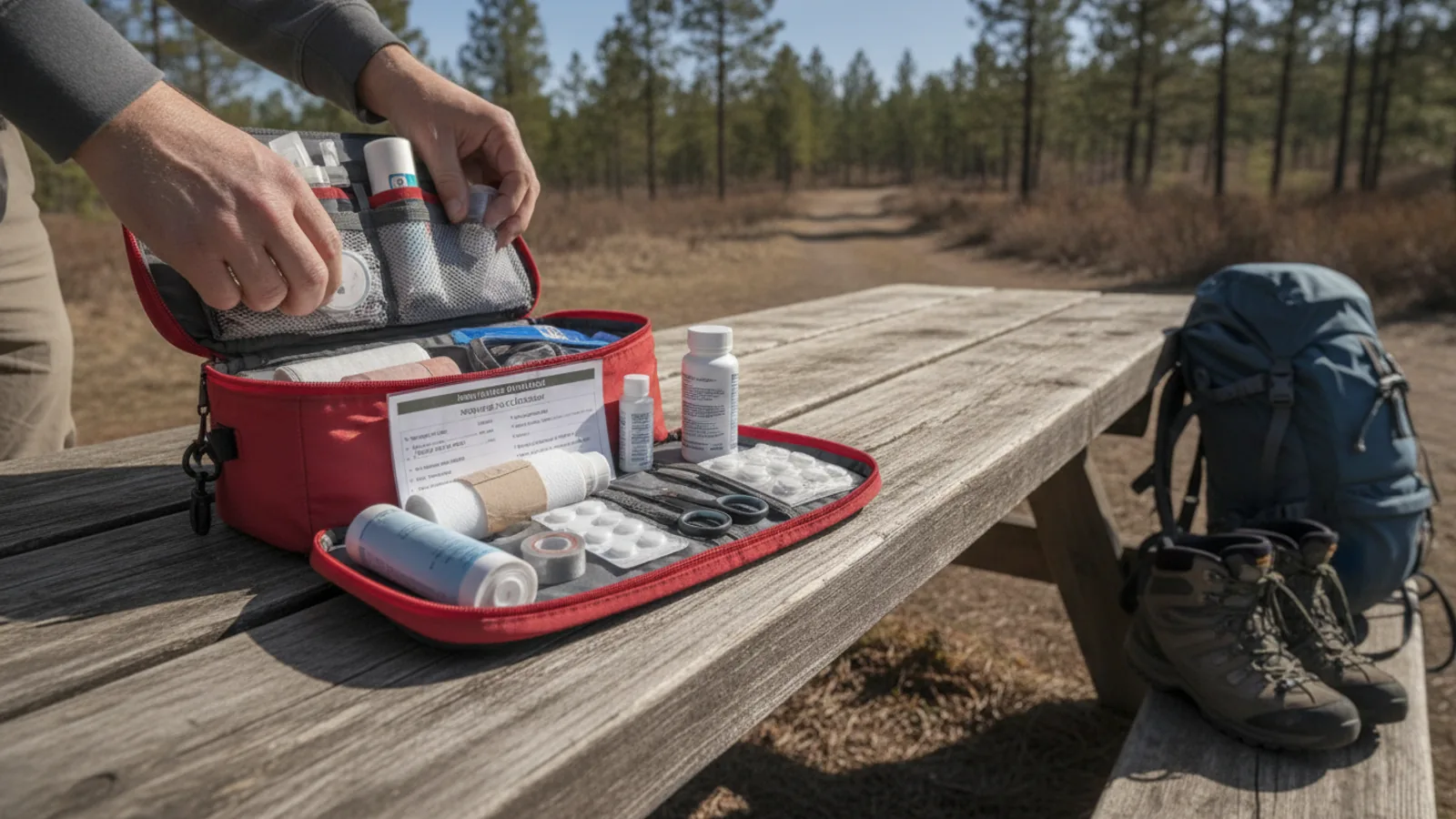
- First-aid kit accessible: Know where it is, and confirm it's stocked with necessary supplies.
- Emergency shelter/bivy: Packed and accounted for, even if you have a primary tent.
- Headtorch with fresh batteries: Or spares readily available, and tested.
- Sufficient food and water: Plus a purification method if needed for your specific route.
- Appropriate clothing layers: Including waterproofs, hat, and gloves, matched to the forecast.
- Sun protection: Sun cream, sunglasses, and a hat (even in GB, sun exposure can be high).
- Waste bag: For packing out all rubbish, including food scraps and peelings.
- Tell someone your plans: Your "safety net" knows your route, expected return, and emergency contacts.
- Hiking boots broken in and comfortable: Never wear new boots on a multi-day hike to avoid blisters.
- Weather forecast re-checked: Confirm conditions haven't drastically changed since your initial checks.
Packing for a weekend hike is a process that becomes more intuitive with practice. By focusing on essentials, smart organisation, and safety checks, you'll be well-prepared to enjoy the wild beauty of Great Britain with comfort and confidence. Happy hiking!