How To Prepare For A Mountain Hike
A practical step-by-step guide to how to prepare for a mountain hike, including preparation, instructions, common issues, tips, and next steps.

How To Prepare For A Mountain Hike
This guide explains how to approach how to prepare for a mountain hike, including the preparation, practical steps, common mistakes, and final checks that help you finish with confidence.
Before You Start
Before you even consider stepping onto a mountain path, a solid foundation of preparation is key. Mountains, while beautiful, demand respect and readiness. This section outlines the fundamental elements you need to consider and gather.
Step-by-Step Instructions
A successful mountain hike isn't just about strength; it's about smart planning and preparedness. Follow these steps to ensure you're ready for the challenges and rewards of the high country.
Quick Reference
Common Problems When You Prepare For A Mountain Hike
Even with careful preparation, issues can arise. Knowing common problems and their solutions can help you react effectively.
Underestimating Mountain Weather
Many hikers assume mountain weather will be similar to lowland conditions. This is a common mistake. Mountains create their own microclimates, leading to rapid changes, strong winds, and lower temperatures than expected. Always check specific mountain forecasts and be prepared for all four seasons in a single day.
Insufficient Water and Food
A long day on the mountain burns many calories and causes significant fluid loss. Running out of water or energy-rich food can lead to fatigue, poor decision-making, and even hypothermia or heat exhaustion.
Poor Navigation Skills or Equipment
Reliance solely on a phone for navigation is risky due to battery life and signal issues. Getting lost is a serious problem in the mountains, particularly in bad weather or failing light.
Inappropriate Footwear or Clothing
Blisters, wet feet, or being inadequately dressed for the cold can quickly ruin a hike and lead to more serious issues like hypothermia or frostbite. Cotton clothing is particularly problematic as it loses insulation when wet.
Not Informing Anyone of Your Plans
This oversight can be fatal. If you have an accident and no one knows where you are or when you should be back, search and rescue efforts will be severely hampered and delayed.
Advanced Tips for How To Prepare For A Mountain Hike
Once you've mastered the basics, these advanced tips can further enhance your mountain hiking preparation, making your trips safer and more enjoyable.
Master Advanced Navigation Techniques
Beyond basic map and compass use, delve into advanced navigation. Learn how to use contour lines to interpret terrain without visual cues, practice bearings in low visibility, and understand how to triangulate your position. Familiarise yourself with advanced GPS functions and how to cross-reference digital and physical maps for maximum accuracy. Practice navigating off-trail in challenging conditions to build confidence.
Understand Mountain Microclimates
Mountains create localised weather patterns known as microclimates. Learning to recognise how topography influences wind, precipitation, and temperature can help you anticipate conditions. For example, knowing that wind typically funnels through cols (mountain passes) or that certain slopes accumulate more snow can inform your route choices and packing decisions. Observe cloud formations and wind patterns for immediate weather assessment.
Prepare for Self-Rescue Scenarios
While we hope for the best, being prepared for the worst is a hallmark of experienced hikers. This includes carrying a personal emergency shelter (like a lightweight bothy bag or survival bivi), knowing basic rope skills (if on scrambling terrain), and understanding how to improvise shelter. Familiarise yourself with emergency signalling techniques, such as using a whistle (six short blasts, then pause) or a mirror.
Develop a Contingency Mindset
Always have a "Plan B" (and C, and D). What if the weather turns? What if someone in your group gets injured? What if the planned route is impassable? Thinking through these scenarios beforehand allows for quicker, calmer decision-making when they arise. This includes identifying escape routes, alternative summits, or safe places to shelter.
Refine Your Gear System
Over time, you'll learn what gear truly works for you. Continually evaluate your pack: can you reduce weight without compromising safety? Are there multi-purpose items you can use? Invest in high-quality, durable gear that stands up to mountain conditions. Practice efficient packing and unpacking to save time and energy on the trail. A lighter pack reduces fatigue and injury risk.
Physical Training for Specific Demands
Beyond general fitness, tailor your training to the specific demands of mountain hiking. Include eccentric exercises for downhill walking (e.g., box step-downs) to strengthen knees. Practice hiking with your full pack on varied terrain, including steep ascents and descents. Incorporate core strength training for better balance and stability on uneven ground. Consider training with trekking poles to reduce impact on joints.
How To Prepare For A Mountain Hike FAQ
How much water should I carry for a mountain hike?
A general guideline is to carry at least 1 litre of water for every 2-3 hours of hiking. This can increase significantly in hot weather, at higher altitudes, or on very strenuous routes. Always carry more than you think you'll need, and consider a water filter or purification tablets if your route has reliable natural water sources.
Is it safe to hike alone in the mountains?
Solo hiking carries higher risks as there's no one to assist you in an emergency. If you choose to hike alone, take extra precautions: stick to well-marked trails, choose routes within your capability, be meticulous with planning and gear, and absolutely make sure someone knows your exact route and expected return time. Carrying a personal locator beacon (PLB) or satellite messenger is highly recommended for solo hikers.
What should I do if the weather suddenly changes while I'm on the mountain?
Prioritise safety. If conditions deteriorate rapidly (e.g., sudden heavy rain, strong winds, thick fog, lightning), assess your situation immediately. If possible, seek shelter. If conditions make progress dangerous, it's always best to turn back, even if you're close to your goal. Descend to a lower, safer altitude, or find an escape route. Do not hesitate to use your emergency shelter if caught out.
What are the 'ten essentials' for hiking?
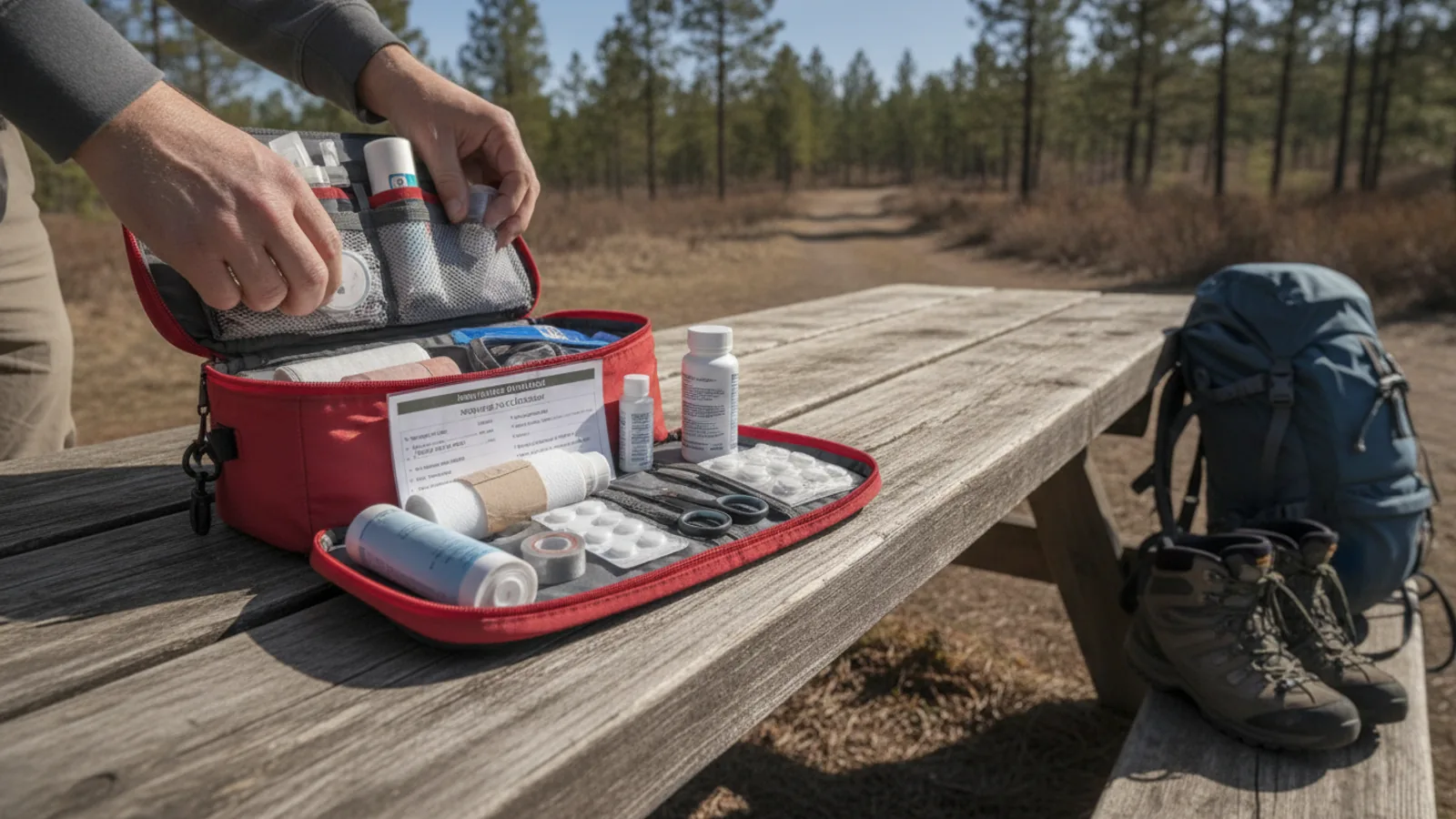
The "Ten Essentials" are categories of gear recommended for any outdoor trip: navigation, sun protection, insulation (extra layers), illumination, first-aid, fire starter, repair kit/tools, nutrition (extra food), hydration (extra water), and emergency shelter. These categories ensure you're prepared for common emergencies and uncomfortable situations.
Final Checklist for How To Prepare For A Mountain Hike
Use this checklist on the morning of your hike to ensure nothing has been overlooked. A thorough final check can make all the difference to a safe and enjoyable day.
Remember, the mountains will always be there. If in doubt, turn back or postpone. Thoughtful preparation is the foundation of every great mountain adventure.