How To Prepare Meals For A Camping Trip
A practical step-by-step guide to how to prepare meals for a camping trip, including preparation, instructions, common issues, tips, and next steps.
How To Prepare Meals For A Camping Trip
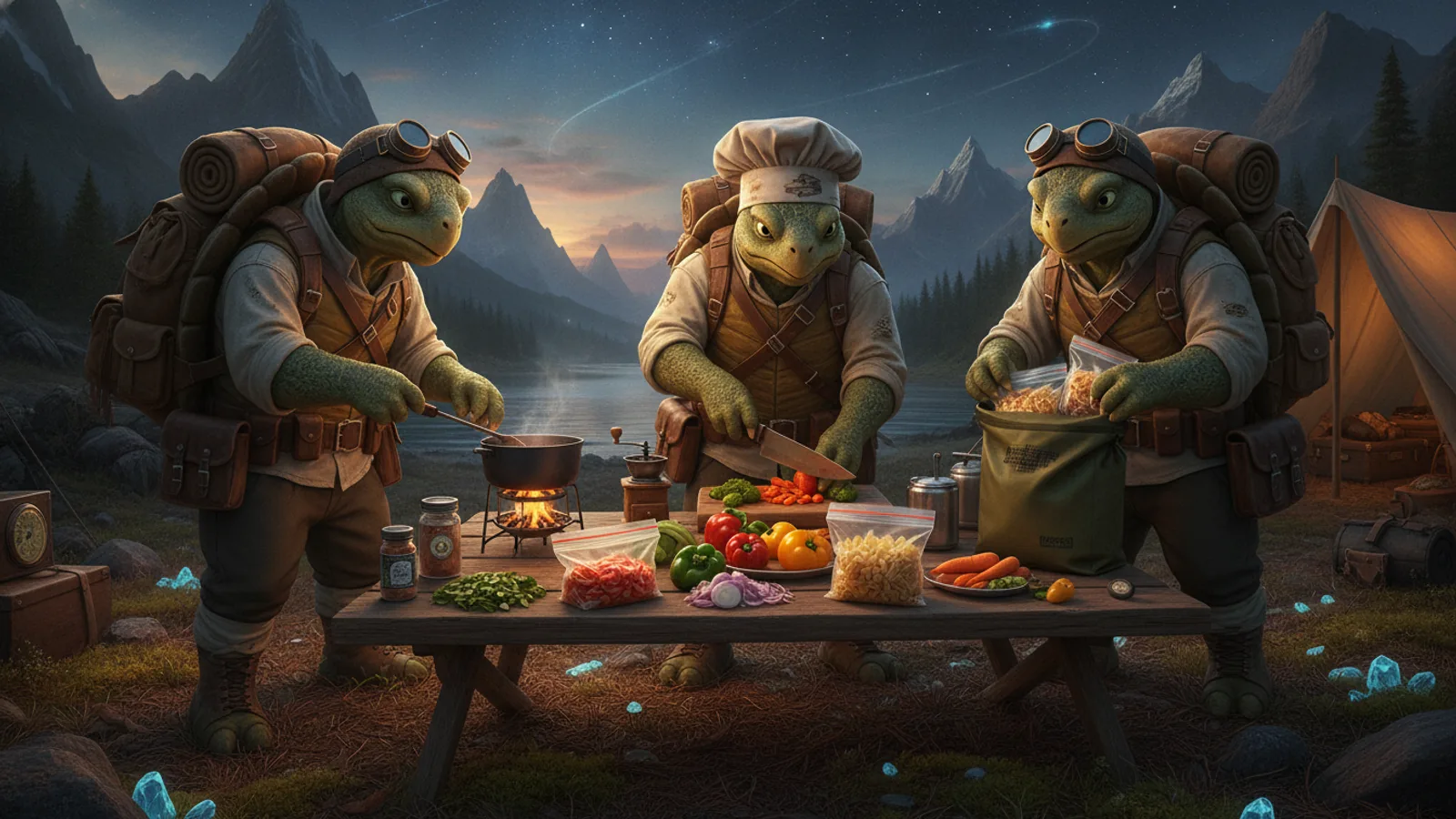
This guide explains how to approach how to prepare meals for a camping trip, including the preparation, practical steps, common mistakes, and final checks that help you finish with confidence.
Before You Start
Step-by-Step Instructions
Quick Reference
Common Problems When You Prepare Meals For A Camping Trip
Even with careful planning, things can sometimes go awry when preparing meals for a camping trip. Understanding common pitfalls can help you avoid them or quickly find solutions.
Food Spoilage
This is arguably the most common and serious issue. Warm weather, an improperly packed cool box, or opening it too often can lead to food going off. The solution lies in diligent temperature management. Pre-chill your cool box with ice blocks overnight before packing, use a mix of ice packs and frozen bottles of water (which double as drinking water), and keep the cool box in the shade. Minimise how often you open it and ensure raw meats are sealed and kept separate.
Forgetting Essential Items
It's easy to overlook small but crucial items like a can opener, bottle opener, cooking oil, or even salt and pepper. A comprehensive checklist is your best friend here. Go through your meal plan and envision each step of preparation and cooking to identify every single item you'll need. Pack a dedicated "condiments and essentials" kit.
Running Out of Fuel
Nothing grinds a camping trip to a halt like an empty gas canister mid-cook. Always pack at least one spare fuel canister. If your trip is longer, calculate your estimated fuel usage and bring sufficient backups. Alternatively, plan for a couple of no-cook meals, like sandwiches or salads, as a contingency.
Pests and Animals
Leaving food exposed can quickly attract insects, birds, and larger animals, which is not only unhygienic but can also be dangerous. Always store all food, including rubbish, in airtight containers. If available, use campsite food lockers or store food securely in your vehicle overnight. Never leave food unattended or accessible.
Menu Fatigue or Lack of Variety
Eating the same bland meals day after day can dampen spirits. While simplicity is good, variety is key. When planning, try to mix up proteins, carbohydrates, and vegetables. Pack a few exciting sauces or spices to liven up simple dishes. Even a change of breakfast cereal can make a difference. Consider a special "treat" meal for the middle of your trip.
Insufficient Water for Cooking and Cleaning
Many campsites have water points, but relying solely on them can be risky if they're far away or out of order. Bring a large, refillable water container (e.g., a 20-litre water carrier) for drinking, cooking, and washing. This ensures you have enough water for rehydrating meals, washing dishes, and personal hygiene, even if the tap is a trek away.
Advanced Tips for How to Prepare Meals For A Camping Trip
Once you've mastered the basics of preparing meals for a camping trip, you might want to explore ways to elevate your outdoor culinary experience. These advanced tips focus on efficiency, creativity, and expanding your camp kitchen repertoire.
Embrace Dehydrated and Freeze-Dried Meals
For lighter packing and longer shelf life, especially on backpacking trips, consider making your own dehydrated meals. You can dehydrate everything from vegetables and sauces to entire stews. These just require hot water to rehydrate, making them incredibly convenient. Alternatively, commercially available freeze-dried meals offer similar benefits and a wide range of flavours, though they can be pricier.
Pre-Make and Freeze Meals
For car camping, where weight isn't as much of an issue, prepare entire meals at home, freeze them flat in freezer-safe bags, and then pack them into your cool box. Think chilli, curry, or pasta sauce. These frozen blocks act as extra ice packs and thaw into a ready-made meal that just needs reheating. This dramatically cuts down on prep and cooking time at the campsite.
Utilise Foil Packet Cooking
Foil packets are a camper's dream. You can assemble entire meals (protein, vegetables, seasonings) in heavy-duty foil at home, then simply place them directly onto hot coals or a grill at the campsite. This method creates delicious, steamed or roasted food with virtually no washing up. Experiment with combinations like sausage and peppers, or chicken and root vegetables.
Master Dutch Oven Cooking
If you're car camping and have the space, a cast iron Dutch oven can transform your camp cooking. You can bake bread, cook stews, roast chicken, and even make desserts over coals. Learning to regulate the temperature with briquettes placed on top and underneath takes practice, but the results are incredibly rewarding and allow for sophisticated camp meals.
Bring a Specialty Coffee or Tea Setup
For many, a good cup of coffee or tea is essential to starting the day right. Instead of instant, consider a compact Aeropress, a pour-over kit, or a small French press. For tea lovers, loose-leaf tea and a small strainer can make a significant difference. These small luxuries can greatly enhance your morning routine in the wilderness.
Foraging with Caution (Only for Experts)
If you possess expert knowledge of local edible plants and fungi, incorporating foraged ingredients can add a unique and fresh element to your meals. However, extreme caution is vital. Never consume anything you cannot 100% confidently identify as edible and non-toxic. It's recommended to do this only with an experienced guide or after extensive personal research and training. Stick to what you know best.
How To Prepare Meals For A Camping Trip FAQ
How long can food realistically stay fresh in a cool box?
With proper packing, a good quality cool box, and plenty of ice, perishable food can stay safe for 2-4 days. Using a mix of block ice (which melts slower) and frozen water bottles, plus keeping the cool box in the shade and opening it minimally, will extend freshness. Consider a second cool box for drinks to reduce opening your food cool box.
What if I don't have a camping stove? Are there other cooking methods?
Yes! If campfires are permitted, you can cook directly over coals (with a grill grate), in foil packets, or with a Dutch oven. Many campsites also have BBQ facilities. For no-cook options, sandwiches, wraps, salads, and pre-made cold dishes are excellent. You can also get portable charcoal grills for a BBQ experience without a gas stove.
How do I keep pests away from my food at the campsite?
The best defence is good offence: use airtight, rigid containers for all food, even sealed packets. Store your cool box and other food containers securely in your vehicle or a dedicated food locker overnight, never in your tent. Keep your campsite clean, immediately cleaning up any spills and disposing of rubbish in sealed bags in designated bins, or taking it with you.
Can I bring glass jars or bottles camping?
While glass is recyclable, it's generally best to avoid it for camping where possible. Glass is heavy, can break easily, and shards are dangerous in an outdoor environment. Transfer ingredients like sauces, oils, or spices into lightweight, unbreakable plastic containers or bottles. For drinks, consider cans or plastic bottles.
What's the best way to handle washing up when camping?
Minimise water usage and use biodegradable washing-up liquid. Scrape all food scraps into your rubbish bag first. Use a two-basin system: one with hot, soapy water for washing, and one with hot, clean water for rinsing. Dispose of grey water (dishwater) responsibly, away from water sources, and check campsite rules for specific disposal areas.
Final Checklist for How to Prepare Meals For A Camping Trip
Use this checklist to ensure you haven't missed any vital steps in preparing your camping meals. A little check now saves a lot of hassle later!