How To Prevent Blisters On A Hike
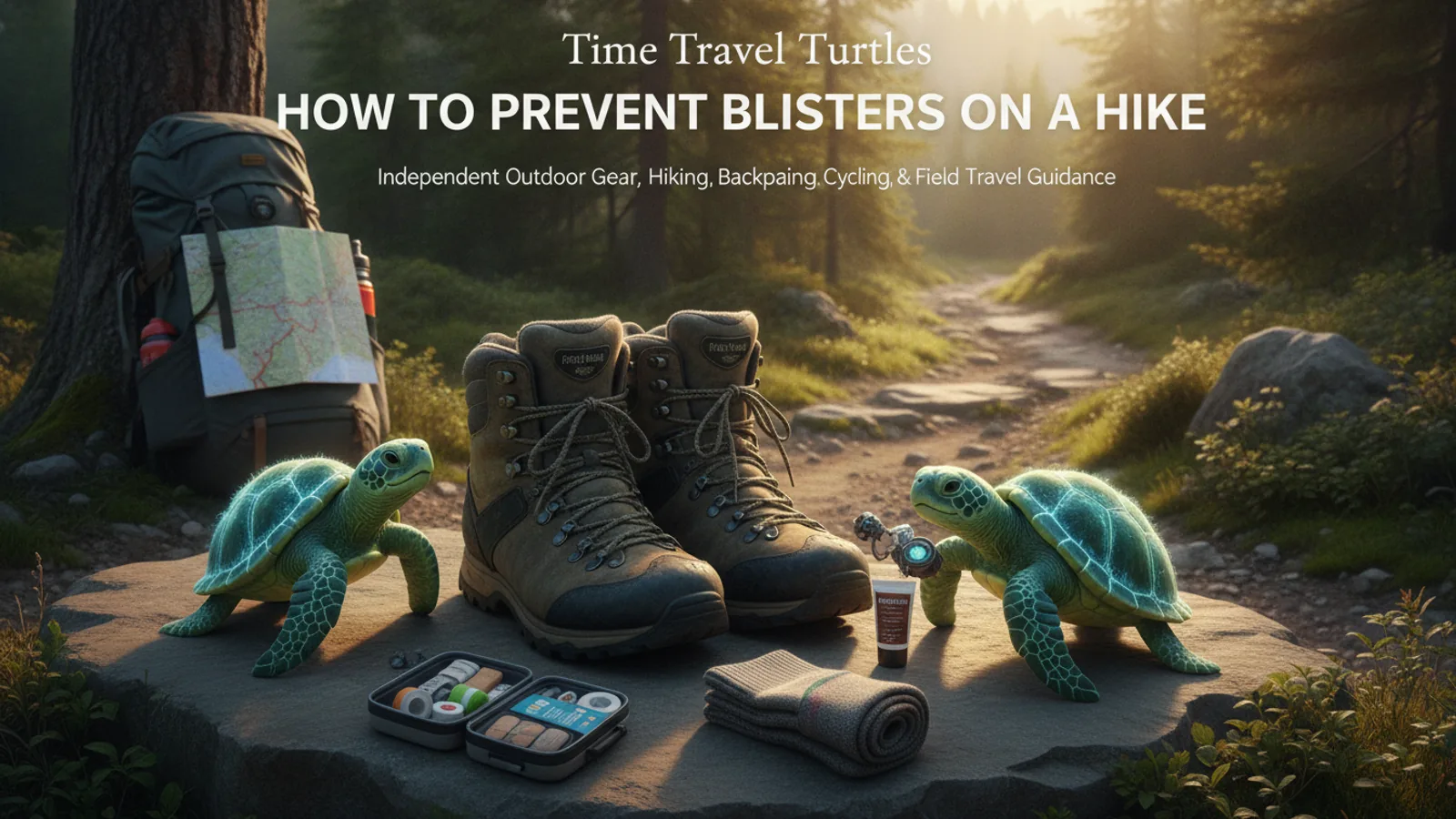
A practical step-by-step guide to how to prevent blisters on a hike, including preparation, instructions, common issues, tips, and next steps.
How To Prevent Blisters On A Hike
This guide explains how to approach how to prevent blisters on a hike, including the preparation, practical steps, common mistakes, and final checks that help you finish with confidence.
Before You Start
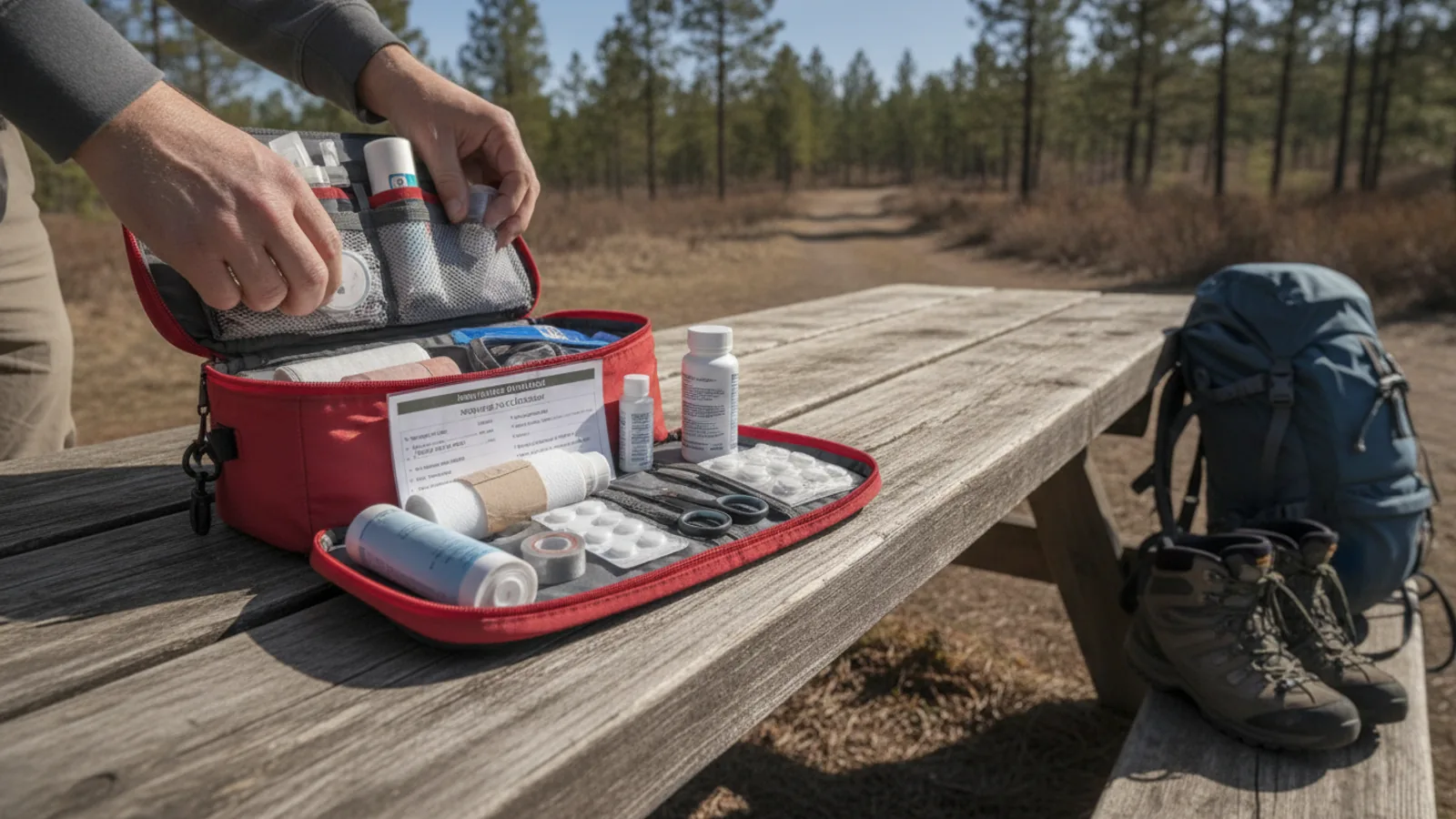
Preparing your feet and gear before you even step on the trail is the most effective way to prevent blisters. Consider these essential items and checks to ensure you're ready for a comfortable hike.
What You Need
Safety, Timing, or Context Checks
Step-by-Step Instructions
Following these steps systematically will significantly reduce your chances of developing blisters, allowing you to enjoy your hike without discomfort.
Quick Reference
Common Problems When You Prevent Blisters On A Hike
Even with the best intentions, you might encounter issues. Here are some common problems and practical fixes for how to prevent blisters on a hike.
Problem: Footwear feels fine initially but starts rubbing later in the hike.
This often happens as your feet swell slightly during activity, or as the boot material softens with use. It could also indicate a subtle fit issue that only becomes apparent under prolonged stress.
Problem: Feet get excessively sweaty quickly, despite using moisture-wicking socks.
Some people naturally have very sweaty feet, and even the best socks can become saturated.
Problem: Blisters form underneath or around old calluses.
Calluses are toughened skin, but sometimes friction can occur beneath them or at their edges, leading to painful sub-callus blisters.
Problem: Debris or small stones get into your boots, causing immediate rubbing.
Even a tiny pebble can cause a significant hot spot quickly.
Advanced Tips for How To Prevent Blisters On A Hike
Once you've mastered the basics, these advanced techniques can provide an extra layer of protection and comfort on longer or more challenging hikes.
Experiment with Custom Lacing Techniques
Beyond simply tying your laces, there are various lacing methods that can address specific foot issues. For example:
Practise these techniques at home to see what works best for your foot shape and specific boot.
Develop a Foot Care Routine for Multi-Day Hikes
On longer trips, diligent foot care is non-negotiable. At the end of each day:
Consider Toe Socks
For some individuals, friction between toes is a significant cause of blisters. Toe socks, which encase each toe individually, can be highly effective in preventing this. They work by creating a fabric barrier between the toes, stopping skin-on-skin rubbing. They are typically made from moisture-wicking materials like merino wool or synthetic blends.
Optimise Your Hiking Pack Weight
A heavier pack puts more pressure on your feet, increasing the likelihood of friction and subsequent blisters. Review your gear and aim to reduce unnecessary weight, especially for longer treks. Even a kilogram or two can make a noticeable difference in foot fatigue and pressure over many miles.
Stay Hydrated and Mind Electrolytes
While not a direct blister prevention method, proper hydration and electrolyte balance contribute to overall foot health and can indirectly help. Dehydration can sometimes lead to swelling or changes in skin elasticity, potentially exacerbating blister issues. Ensure you're drinking enough water and replenishing electrolytes, particularly in hot weather or on strenuous hikes.
How To Prevent Blisters On A Hike FAQ
Here are answers to some frequently asked questions about how to prevent blisters on a hike.
Q: Can I hike in regular trainers or running shoes?
A: For short, easy, well-maintained trails in dry conditions, some people find trainers acceptable. However, for rougher terrain, longer distances, or any wet conditions, proper hiking boots or trail shoes offer superior ankle support, grip, and protection against debris and moisture. They are specifically designed to reduce the friction and impact that lead to blisters on varied terrain.
Q: What should I do if I get a blister anyway?
A: If a blister forms despite your best efforts, clean the area gently. If it's small and not painful, it's often best to leave it intact as the skin provides a sterile cover. Apply a dedicated blister plaster (like Compeed) over it; these plasters create a second skin, protect the area, and promote healing. If the blister is very large, tense, and painful, you might need to drain it. This should be done carefully with a sterilised needle, piercing only the edge of the blister, then gently pressing out the fluid, and immediately covering it with a sterile dressing. Avoid peeling off the skin.
Q: How do I know if my hiking boots fit correctly?
A: When trying on boots with your hiking socks, your toes should have enough room to wiggle freely. Your heel should feel secure, with minimal lift or slippage when you walk, especially on an incline. There should be no painful pressure points or tight spots anywhere on your foot. A good test is to try them on at the end of the day when your feet are slightly swollen, and walk around for a bit. If you can, test them on a ramp or stairs to mimic uphill and downhill walking.
Q: Is it better to wear thin or thick socks to prevent blisters?
A: The ideal sock thickness depends on your boot fit and the weather. Thicker socks can provide more cushioning and fill out a slightly larger boot, but can also cause your feet to overheat and sweat more. Thinner, moisture-wicking socks are often preferred in warmer weather or if your boots have a snugger fit. Ultimately, the best choice is a moisture-wicking sock that fits well within your boot, without creating bunching or excessive tightness, and keeps your feet dry.
Final Checklist for How To Prevent Blisters On A Hike
Before you head out on your next adventure, use this checklist to ensure your feet are fully prepared against blisters:
By following these steps, you significantly increase your chances of enjoying a blister-free hike, allowing you to focus on the beauty of your surroundings and the joy of the trail.