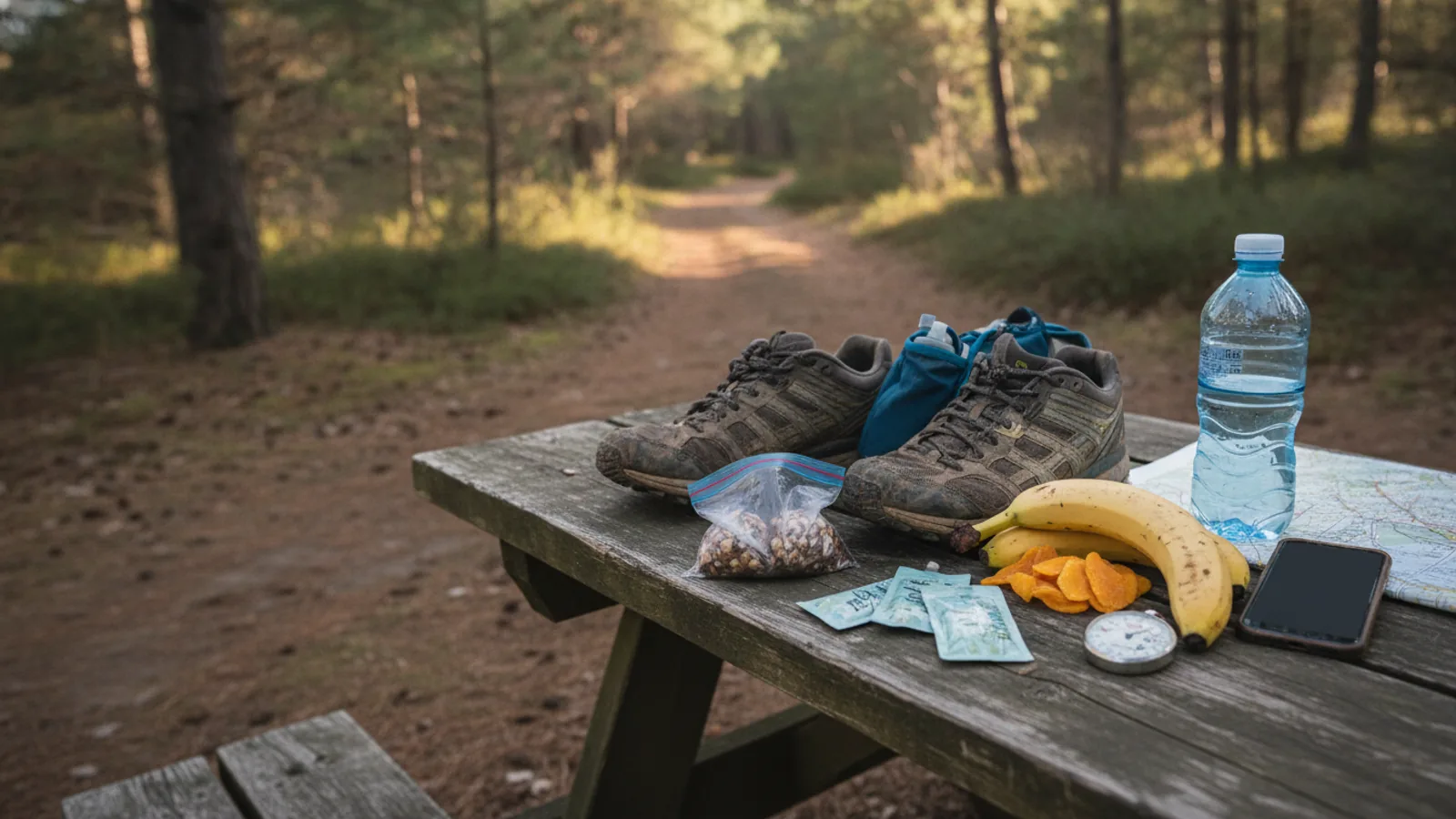
How To Choose Trail Running Shoes
A practical step-by-step guide to how to choose trail running shoes, including preparation, instructions, common issues, tips, and next steps.
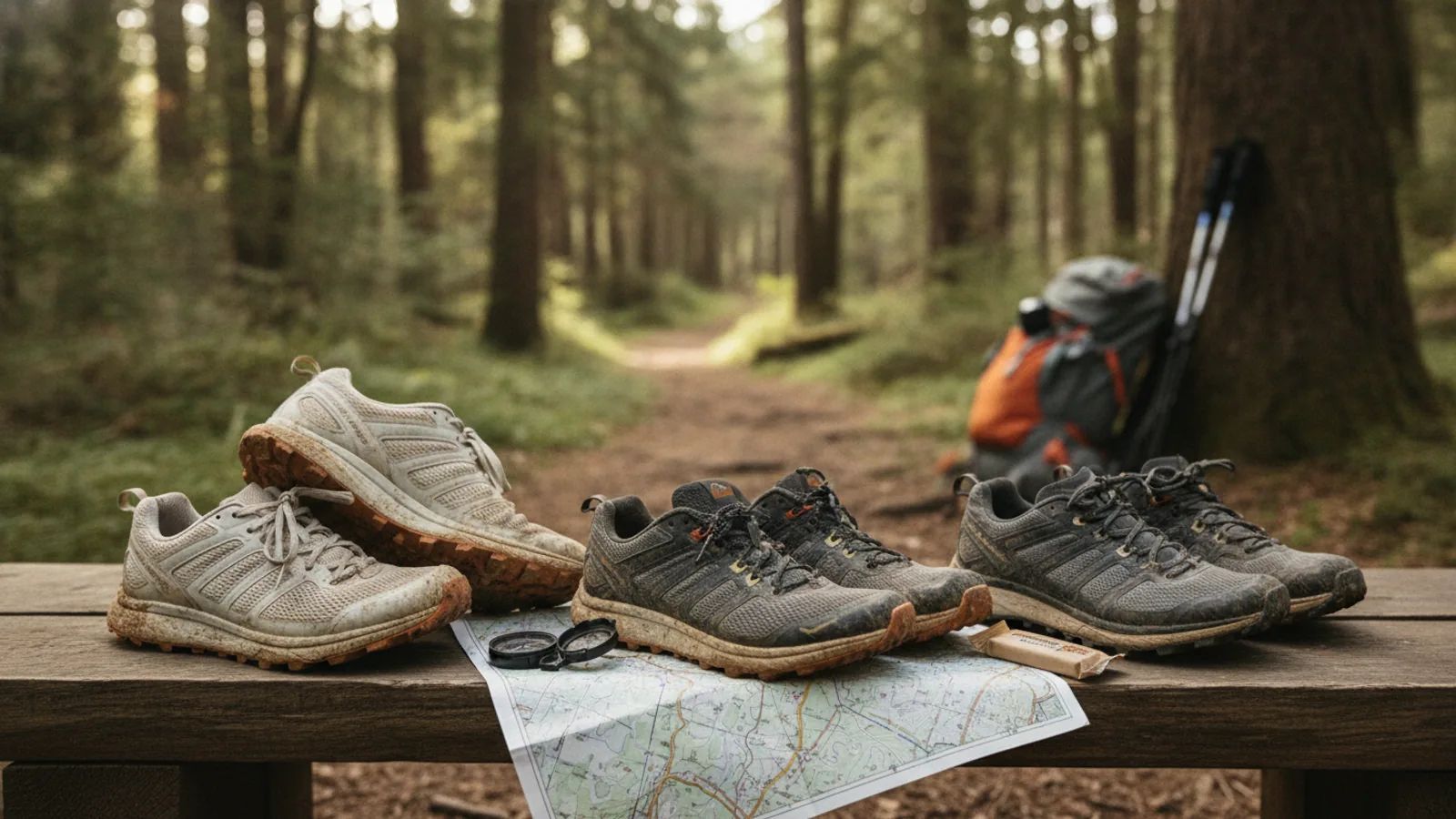
How To Choose Trail Running Shoes
This guide explains how to approach how to choose trail running shoes, including the preparation, practical steps, common mistakes, and final checks that help you finish with confidence.
Before You Start
What You Need
Safety, Timing, or Context Checks
Step-by-Step Instructions
Quick Reference
Common Problems When You Choose Trail Running Shoes
Fix: This is often a sign of an incorrect fit. The shoe might be too big, allowing your foot to slide, or too small, causing friction. Re-evaluate the fit, paying close attention to the toe box and heel. Ensure you're wearing appropriate, moisture-wicking running socks.
Fix: Your shoe's outsole might not be suited for the terrain. If you're constantly slipping in mud, you likely need shoes with deeper, more aggressive lugs. If you're on wet rocks, you might need a stickier rubber compound. Revisit Step 4 to match your shoe's grip to your typical trails.
Fix: This can be due to insufficient cushioning, incorrect support for your pronation type, or an unsuitable heel-to-toe drop. Consider having a professional gait analysis done if you haven't already. You might need more stability, more cushioning, or a different drop to better align with your natural mechanics.
Fix: This can happen if you're using a shoe designed for lighter trails on highly technical or abrasive terrain, or if you're putting in very high mileage. Look for shoes with more durable upper materials, reinforced overlays, and robust outsole compounds if your shoes aren't lasting as long as expected. Sometimes, a shoe designed for racing will not have the durability for everyday training.
Advanced Tips for How To Choose Trail Running Shoes
How To Choose Trail Running Shoes FAQ
Final Checklist for How To Choose Trail Running Shoes
FAQ
What should I check before I start?
Check the goal, the key prerequisite, and any current instructions that could change the safest next step for how to choose trail running shoes.
How can I tell whether the result is working?
Use the practical checks in the guide, pause if a required step is unclear, and verify the finished result against the intended outcome.