How To Plan A Bike And Train Weekend
A practical step-by-step guide to how to plan a bike and train weekend, including preparation, instructions, common issues, tips, and next steps.
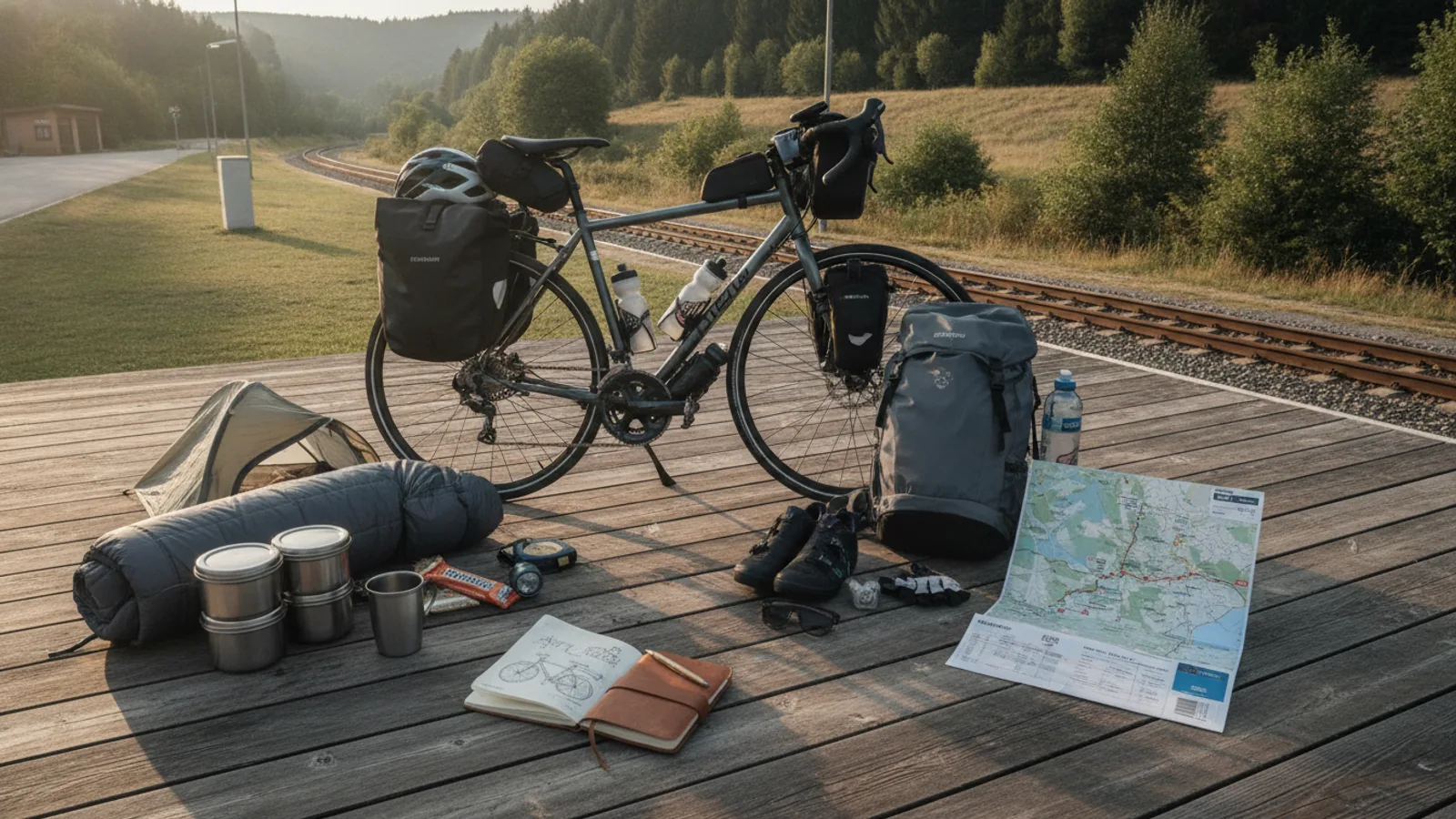
How To Plan A Bike And Train Weekend
This guide explains how to approach how to plan a bike and train weekend, including the preparation, practical steps, common mistakes, and final checks that help you finish with confidence.
Before You Start
Step-by-Step Instructions
Quick Reference
Common Problems When Planning A Bike And Train Weekend
Even with careful planning, things can sometimes go awry on a bike and train weekend. Knowing what common issues might arise and how to tackle them can save a lot of stress.
Limited Bike Spaces on Trains
This is arguably the most frequent frustration. Many GB trains have very few dedicated bike spaces, and these can fill up weeks in advance, especially on popular routes or during sunny weekends. If you can't get a reservation, consider if a folding bike is an option, as these often travel as regular luggage (check specific TOC policies). Another solution is to try less popular train times, such as mid-morning or late afternoon on a Saturday, or Sunday mornings.
Train Delays or Cancellations
Train services can be subject to delays, alterations, or even cancellations due to various reasons like engineering works, signal failures, or strikes. Always check National Rail Enquiries on the day of travel for updates. If your train is cancelled, speak to station staff immediately. They can advise on alternative routes or whether your bike reservation can be transferred to a later service. Patience and flexibility are key here.
Getting Lost or Route Difficulties
Even with good planning, a wrong turn or an unexpectedly challenging section of route can happen. Dead phone batteries or poor signal are also common issues in rural areas. Always carry a physical map as a backup. If you get lost, don't panic. Look for prominent landmarks, ask locals for directions, or retrace your steps to a known point. Having a power bank for your phone is crucial for navigation.
Bad Weather Conditions
Cycling in heavy rain or strong winds can be miserable and even dangerous. GB weather is famously changeable. Always check the forecast before you leave and bring appropriate waterproof and warm clothing. If the weather turns very bad, be prepared to cut your ride short, take shelter, or even consider altering your plans to use local transport if available. Better safe than sorry.
Bike Mechanical Issues (e.g., Punctures)
Punctures are the most common mechanical problem. Knowing how to fix one quickly will save a lot of time and frustration. Always carry a spare inner tube, tyre levers, and a pump. If you're unsure how to fix a puncture, watch a few YouTube tutorials before your trip. For more serious issues, identify bike shops along or near your planned route in advance, just in case.
Advanced Tips for Planning A Bike And Train Weekend
Once you've successfully completed a basic bike and train weekend, you might want to try some more ambitious adventures. Here are some advanced tips to elevate your trips.
Explore Less Popular Train Lines and Stations
Instead of always aiming for major hubs, look at smaller, regional train lines that serve more remote areas. These often have older, less crowded trains with more relaxed bike policies (though always check). This can open up access to truly hidden gems for cycling, away from the usual tourist trails. You might find yourself cycling from tiny stations directly into stunning landscapes.
Consider a Multi-Operator Journey
For longer or more complex trips, you might use trains from two or more different operating companies. This requires careful planning as you'll need to understand and comply with each company's bike policy. Ensure you leave enough buffer time for connections, especially if you need to change platforms or stations, as transferring bikes can take longer. Confirm all bike reservations for each leg of your journey.
Utilise Folding Bikes for Maximum Flexibility
If you're serious about combining trains and bikes, a folding bike like a Brompton can be a game-changer. Most GB train operators allow folding bikes to be carried on board at any time, even during peak hours, as long as they are folded and treated as hand luggage. This removes the stress of bike reservations entirely and offers unparalleled freedom.
Plan for One-Way or Loop Routes
Don't just think about cycling out and back from the same station. Plan a route that starts at one train station and ends at another, allowing you to cycle a new stretch of land without retracing your steps. Or, plan a multi-day loop that brings you back to your starting station, perhaps using different train lines for the outward and return journeys. This requires careful coordination of train times and bike spaces.
Incorporate Off-Road or Gravel Routes
Beyond paved roads, GB offers an incredible network of bridleways, canal paths, and gravel tracks suitable for cycling. If you have a gravel bike or mountain bike, research routes that incorporate these elements for a different kind of adventure. Tools like Komoot are excellent for finding these types of paths. Always check rights of way, as not all off-road paths are open to cyclists.
Consider Luggage Transfer Services
For multi-day, point-to-point trips, carrying all your gear on your bike can be cumbersome. Some companies offer luggage transfer services, where they pick up your bags from your accommodation and deliver them to your next stop. This allows you to cycle unburdened, making for a much more enjoyable ride. Research these services in popular cycling regions.
How To Plan A Bike And Train Weekend FAQ
Can I take any type of bike on a train in GB?
Generally, most standard bicycles are allowed, but policies vary. Tandems, tricycles, and large cargo bikes are often restricted or require special arrangements. Always check with the train operating company before travelling with anything other than a standard two-wheel bike. Folding bikes usually have the fewest restrictions.
Do I have to pay extra for my bike on the train?
Bike reservations on GB trains are usually free of charge, but they are often mandatory. The cost is covered by your own passenger ticket. The main issue is availability, not price.
What if there's no bike space left on my chosen train?
If there's no bike space, you have a few options: try an earlier or later train, consider a different route served by another operator, or, if feasible, look into renting a bike at your destination and leaving yours at home. As a last resort, some cyclists might try to board without a reservation, but this risks being denied travel with your bike.
How early should I book my train and bike space?
As early as possible, especially for popular routes, peak travel times, or weekends. For some train operators, bike reservations can be made up to 12 weeks in advance. During busy periods, spaces can be fully booked several weeks before departure.
What should I do if my bike gets damaged on the train?
While rare, damage can occur. Report any damage to train staff or the train operating company as soon as possible, ideally before leaving the station. Take photos as evidence. Review the train operator's conditions of carriage regarding luggage and liability for clarification.
Is it safe to leave my bike at a train station overnight if I'm staying locally?
It's generally not recommended to leave your bike at a station overnight, even if secured, due to the risk of theft or damage. Always try to find secure overnight storage at your accommodation. If it's your only option, use multiple strong locks and consider a less valuable bike.
Final Checklist for How To Plan A Bike And Train Weekend
Use this checklist to ensure you've covered all the essential aspects for a successful bike and train adventure:
- Destination chosen: Have you picked a cycling-friendly area accessible by train?
- Train tickets booked: Do you have confirmed passenger tickets for all legs of your journey?
- Bike reservations confirmed: Is your bike space secured for every train? Carry the confirmation.
- Cycling routes planned: Are your daily routes mapped, with alternatives and points of interest identified?
- Accommodation booked: Have you secured your stay with confirmed secure bike storage?
- Bike maintenance complete: Is your bike in excellent working order (tyres, brakes, gears, chain)?
- Essential tools packed: Do you have a puncture repair kit, pump, multi-tool, and spare inner tube?
- Appropriate clothing: Are you packed for all potential weather conditions, especially rain?
- Navigation aids ready: Phone charged, offline maps downloaded, power bank, and a physical map as backup?
- First-aid kit: A small kit for minor scrapes and ailments.
- ID and emergency contacts: Always carry identification and emergency numbers.
- Notify someone: Has someone back home been informed of your itinerary?