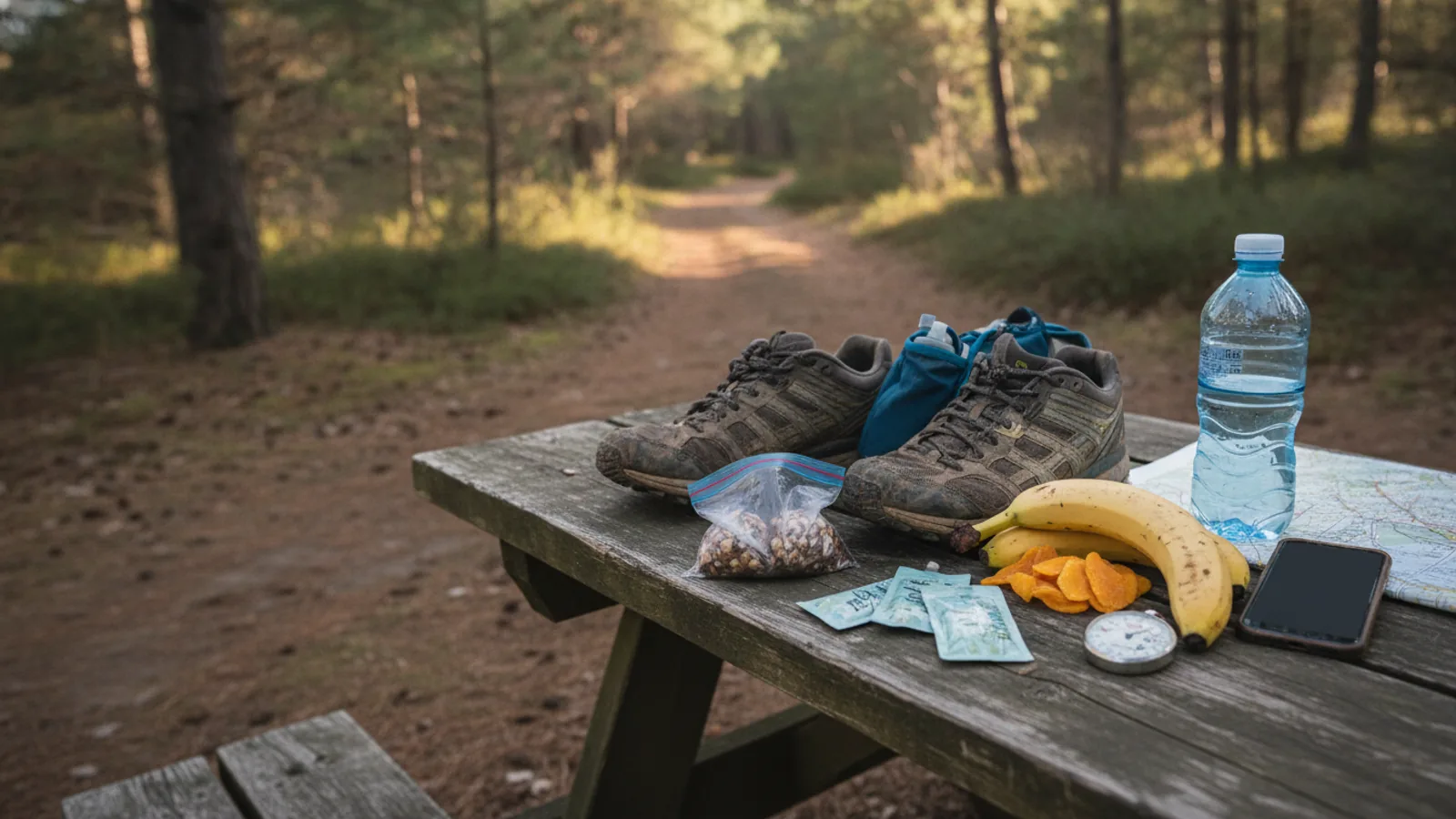
How To Plan A Bikepacking Trip
A practical step-by-step guide to how to plan a bikepacking trip, including preparation, instructions, common issues, tips, and next steps.
How To Plan A Bikepacking Trip
This guide explains how to approach how to plan a bikepacking trip, including the preparation, practical steps, common mistakes, and final checks that help you finish with confidence.
Before You Start
Before you dive into the details, it's good to have a clear picture of what you want from your bikepacking adventure. This initial thinking helps guide all your subsequent choices.
What You Need
While you don't need all these items immediately, thinking about them helps you understand the scope of planning.
Safety, Timing, or Context Checks
These checks are vital for a safe and enjoyable trip. Never skip them.
Step-by-Step Instructions
Quick Reference
Common Problems When You Plan A Bikepacking Trip
Advanced Tips for Planning a Bikepacking Trip
Once you've mastered the basics, consider these tips to enhance your bikepacking adventures.
Ultralight Packing Strategies
For experienced bikepackers, reducing weight becomes a game. Every gram counts for faster, easier riding, especially on challenging terrain. Consider multi-use items (e.g., tarp instead of a tent, a minimal first aid kit). Weigh everything you plan to take, and look for lighter versions of your gear. This often means investing in higher-quality, specialised lightweight equipment. Remember, lighter gear often means a lighter wallet, but the benefits on the trail can be significant.
Advanced Navigation Techniques
Beyond simple GPS tracking, learn to use advanced features on your navigation device or app, such as custom route planning, waypoint marking for water sources or potential camp spots, and track recording. Practice using a compass with your paper map to navigate off-trail or as a precise backup. Understanding contour lines and terrain features on a map can help you predict upcoming challenges and choose alternative paths.
Off-Season and Winter Bikepacking
Bikepacking isn't just for summer. Exploring in colder months can offer unique beauty and solitude. However, it requires significant extra planning:
Group Dynamics and Communication
If travelling in a group, establish clear communication and expectations beforehand. Discuss pace, daily mileage goals, food preferences, and any specific concerns. Designate a leader for navigation, and ensure everyone knows basic first aid and bike repair. Agree on a 'no-drop' policy, meaning no one gets left behind. Having clear roles and open communication prevents conflicts and ensures everyone enjoys the trip.
Food Foraging and Local Sourcing
Integrate local food experiences into your trip. Research farms, bakeries, or markets along your route. This can add a unique cultural element and reduce the amount of food you need to carry. For the adventurous, learn about safe foraging for edible plants (only if you are 100% certain of identification and legality). This requires expert knowledge and should only be attempted by those with specific training.
How To Plan A Bikepacking Trip FAQ
Final Checklist for How To Plan A Bikepacking Trip
Before you roll out, use this checklist to ensure all essential planning steps are covered.
With this plan in place, you're well on your way to a successful and enjoyable bikepacking adventure. Remember to stay flexible, observe your surroundings, and embrace the unexpected joys of the open road (or trail).
FAQ
What should I check before I start?
Check the goal, the key prerequisite, and any current instructions that could change the safest next step for how to plan a bikepacking trip.
How can I tell whether the result is working?
Use the practical checks in the guide, pause if a required step is unclear, and verify the finished result against the intended outcome.