How To Set Up A Campsite
A practical step-by-step guide to how to set up a campsite, including preparation, instructions, common issues, tips, and next steps.
How To Set Up A Campsite
This guide explains how to approach how to set up a campsite, including the preparation, practical steps, common mistakes, and final checks that help you finish with confidence.
Before You Start
Before you even think about putting a peg in the ground, preparation is key. A well-planned approach makes setting up your campsite much smoother and safer.
Having everything you need organised and accessible before you arrive at your chosen spot will save you time and stress, particularly if daylight is fading or the weather takes a turn.
Step-by-Step Instructions
Quick Reference
Common Problems When You Set Up A Campsite
Even with careful planning, issues can arise. Knowing how to troubleshoot common problems can save your trip.
Tent Not Taut or Sagging
A loose tent will flap in the wind, making noise and potentially allowing water to pool on the rainfly. This is often due to pegs not being fully secure or guy lines being too slack.
Water Pooling Under Tent
This happens if your footprint extends beyond your tent, or you're in a slight depression that collects runoff.
Cold at Night Despite Warm Sleeping Bag
Many people focus on sleeping bag warmth but forget about ground insulation. The ground can wick away a significant amount of body heat.
Animals Interested in Your Camp
Small critters like mice, foxes, and even deer can be attracted by food smells, leading to disturbed sleep or stolen provisions.
Condensation Inside the Tent
This is a natural occurrence caused by your breath, body heat, and outside humidity. It can make your sleeping bag damp.
Advanced Tips for Setting Up A Campsite
Once you've mastered the basics, these tips can enhance your camping experience, making it more comfortable, efficient, and resilient.
Mastering Guy Line Tension
Effective use of guy lines goes beyond just pegging them down. Learn to use tension adjusters to keep them taut and even. In strong winds, consider adding extra guy lines or using rocks to reinforce pegs. The goal is to create a taught, aerodynamic structure that sheds wind and rain effectively.
Utilising a Tarp for Extra Shelter
Bringing a separate lightweight tarp can significantly expand your camp's functionality. You can pitch it over your cooking area for rain protection, create a communal sheltered space, or even use it as a standalone shelter in minimalist setups. Practice different pitching configurations (A-frame, lean-to, diamond) at home.
Efficient Camp Kitchen Setup
Designate a 'kitchen box' or bag where all your cooking essentials (stove, fuel, pots, utensils, condiments) live. This keeps everything together and streamlines meal prep. Always set up your kitchen on a stable, level surface, away from your tent and other flammable materials. Consider bringing a small, foldable table for added convenience if space and weight allow.
Cold Weather Strategies
For colder conditions, add a closed-cell foam mat under your inflatable sleeping mat for extra ground insulation. Use a hot water bottle (filled with boiled water from your stove, carefully sealed) inside your sleeping bag for a warmth boost. Keep spare dry clothes and batteries warm inside your sleeping bag overnight.
Smart Tent Placement for Sun and Shade
Beyond basic shelter, think about the sun. In summer, orient your tent to get morning sun (to dry dew) but be shaded in the hot afternoon. In winter, maximise morning sun exposure for warmth. This requires a basic understanding of the sun's path throughout the day.
Creating a Comfortable Camp Chair/Seat
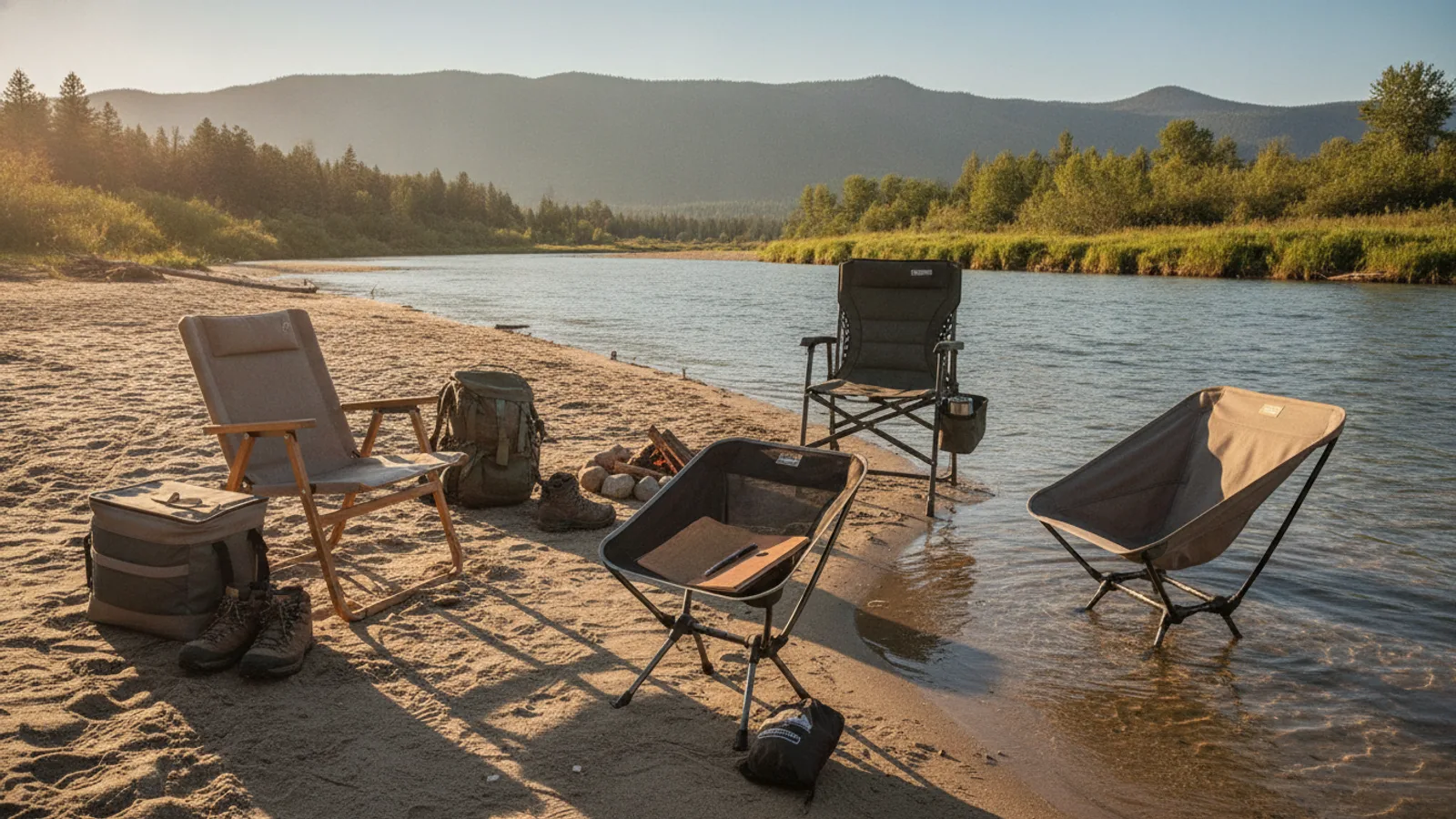
While lightweight chairs are available, you can often make a comfortable seat using natural elements. Find a flat rock or log and place a foam mat or folded rucksack on it. This elevates you off the cold, damp ground and provides a nice spot to relax.
Practise Makes Perfect
The best way to get good at setting up a campsite is to do it. Practice pitching your tent in your garden or a local park before heading out on a trip. This allows you to learn the nuances of your gear without the pressure of fading light or bad weather.
How To Set Up A Campsite FAQ
How far should my tent be from a campfire?
Always maintain a safe distance. Generally, your tent should be at least 5 to 10 metres (15 to 30 feet) away from a campfire. This prevents embers from landing on your tent fabric (which is usually flammable) and keeps smoke away from your sleeping area. Always ensure your fire is downwind from your tent.
Can I wild camp in the UK?
Wild camping rules vary significantly across the UK. In Scotland, wild camping is generally permitted under the Scottish Outdoor Access Code, provided you camp responsibly and leave no trace. In England and Wales, wild camping is largely illegal without the landowner's explicit permission, with some exceptions in areas like Dartmoor National Park (though this is subject to legal challenge and specific conditions). Always research local regulations and seek permission where required to avoid trespassing.
What if it starts raining heavily during setup?
If heavy rain starts, prioritise getting your shelter up quickly. Many modern tents allow you to pitch the rainfly first, providing immediate cover to unpack and set up the inner tent. Work swiftly, keep essential items (like your sleeping bag) in dry bags, and focus on securing the tent before moving on to other camp chores. A headtorch is crucial for visibility in poor weather.
How do I choose a tent size?
Consider the number of people and the amount of gear. For solo trips, a 1-person tent is lightest, but a 2-person tent offers more space for gear or a dog. For couples, a 3-person tent provides extra comfort. Always factor in vestibule space for wet gear and cooking, as the stated capacity often refers only to sleeping space.
What should I do with food waste?
All food waste, even biodegradable items like fruit peels, should be packed out. Do not bury food waste, as it takes a long time to decompose, attracts animals, and can take away from the natural feel of the area. Use sealed rubbish bags and carry them out with you.
Final Checklist for How To Set Up A Campsite
Before you relax, run through this quick checklist to ensure your campsite is fully operational, safe, and ready for your adventure.
A well-set-up campsite is the foundation of a great outdoor experience. By following these steps, you'll be well-prepared for whatever the wild throws your way, allowing you to focus on enjoying the beauty of nature.